


How a Removable Orthodontic Appliances Lab Helps Simplify Customized Treatment Solutions
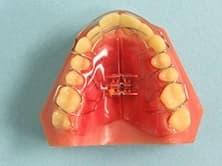
Removable orthodontic appliances play an important role in addressing selected dental alignment and developmental concerns. Their flexibility allows dental professionals to recommend devices that suit particular treatment objectives while accommodating individual patient needs. A removable orthodontic appliances lab supports this process by converting clinical prescriptions and patient records into carefully fabricated devices. Through accurate production, suitable materials, and effective communication, a specialized laboratory helps simplify customized treatment solutions and enables dental practices to manage appliance-based care more efficiently.
Why Customization Matters in Orthodontic Appliances
Every patient has a distinct dental structure, bite relationship, and treatment requirement. An appliance that works well for one individual may not provide the appropriate fit or function for another. Customized fabrication allows the design to reflect the dentist's assessment, including relevant tooth positions, arch dimensions, and intended appliance purpose. This individual approach can improve appliance fit and support the planned treatment process. The dentist remains responsible for determining whether a removable device is suitable and defining its clinical requirements.
Matching Appliance Design to Treatment Goals
Removable appliances can serve different purposes depending on the patient's age, dental development, and orthodontic needs. Some may be prescribed to support limited tooth movement, while others may help address selected arch development or retention requirements. The laboratory needs clear instructions about the intended function and design features of each device. By following the prescription carefully, technicians can produce an appliance that reflects the treatment plan rather than relying on a generic design. Practices can explore different orthodontic appliance options to understand the range of devices available for specific clinical requirements.
The Role of Accurate Patient Records
Reliable records provide the foundation for customized appliance fabrication. Impressions or digital scans help technicians understand the patient's dental anatomy, while photographs and written instructions may provide additional context. Bite registrations can also be important for appliances that relate to the patient's occlusion. When records are incomplete, distorted, or unclear, the finished device may not correspond with the intended design. A professional laboratory reviews submitted information and requests clarification when necessary before moving forward with production. Practices using digital workflows can also benefit from 3D digital orthodontic technology to support accurate case information and appliance planning.
Supporting Efficient Fabrication Through Technical Expertise
Experienced technicians understand the materials, components, and production methods required for different removable orthodontic appliances. Their knowledge helps translate clinical instructions into a finished device with appropriate contours, retention features, and surface finishing. A consistent fabrication process can also reduce avoidable errors and unnecessary remakes. Dental practices benefit when laboratory technicians understand the importance of following case specifications and maintaining production standards. This technical support allows dentists to focus on diagnosis, patient communication, and treatment monitoring.
Balancing Fit, Function, and Comfort
A removable appliance should be designed to fit appropriately while fulfilling its prescribed purpose. Excessive pressure, rough edges, or poorly positioned components may cause discomfort and affect patient cooperation. Laboratory technicians therefore need to pay close attention to dimensions, material handling, and finishing details. Even with careful production, the dentist must inspect the appliance and evaluate its fit before the patient begins regular use. Any required adjustments should follow clinical assessment rather than assumptions about the source of discomfort.
Offering Flexibility With Different Appliance Types
Dental practices may require several types of removable appliances to address different clinical situations. These can include selected functional appliances, expansion devices, retainers, and plates designed for particular orthodontic purposes. A laboratory with broad technical capabilities can support a wider range of prescriptions without requiring the practice to coordinate every appliance through a different provider. For example, removable retainers may be prescribed to help maintain tooth positions following orthodontic treatment. This flexibility may simplify case management, particularly when the laboratory maintains consistent communication and quality procedures across its appliance categories.
Improving Communication Between Dentists and Technicians
Customized treatment depends on accurate information moving between the dental practice and the laboratory. Clear prescriptions should identify the appliance type, relevant design details, material preferences, and any special clinical considerations. If a technician identifies missing information or a potential production concern, timely communication can prevent misunderstandings. A dependable laboratory creates an organized process for case submissions, questions, and progress updates. This collaboration supports more predictable workflows and helps ensure that the finished appliance reflects the dentist's instructions. A clear case submission process can help practices provide the information technicians need to begin fabrication.
Helping Patients Follow Appliance Instructions
Even a well-fabricated appliance requires appropriate patient cooperation. Dentists need to explain when the device should be worn, how it should be inserted and removed, and how it should be cleaned and stored. Instructions may vary according to appliance type and individual treatment needs. Clear demonstrations can help patients understand these responsibilities and avoid common handling mistakes. Younger patients may also need support from caregivers to maintain consistent routines. Practices can use appliance care and usage instructions as an additional resource when explaining proper handling. Regular follow-up allows the dentist to review progress and address concerns.
Quality Control and Reliable Delivery
Quality assurance should remain part of every stage of appliance production. Before dispatch, the laboratory should inspect the device for appropriate finishing, material defects, component placement, and conformity with the submitted prescription. Secure packaging and accurate case identification are equally important because they help prevent damage or confusion during delivery. Consistent turnaround expectations allow practices to coordinate appointments more effectively. When production concerns arise, a clear process for corrections or remakes can help limit disruption to the treatment schedule.
Building a Productive Laboratory Partnership
A reliable laboratory relationship can make customized orthodontic care easier to coordinate over time. Dentists should consider technical experience, appliance quality, communication standards, turnaround times, and responsiveness when selecting a provider. Feedback from completed cases can help identify opportunities to improve records, prescriptions, and fabrication procedures. A laboratory that values professional collaboration is better positioned to understand the practice's requirements and maintain consistent service. This relationship supports efficient workflows while keeping individual patient needs at the center of treatment planning.
Conclusion
A specialized removable appliance laboratory contributes to customized orthodontic treatment through accurate fabrication, technical knowledge, reliable communication, and careful quality control. Its work helps dental professionals provide appliances that reflect individual prescriptions and clinical objectives. However, successful treatment also depends on appropriate case selection, professional fitting, patient cooperation, and ongoing assessment. Ohlendorf Appliance Laboratory recognizes the importance of precision and collaboration in supporting dental practices with dependable orthodontic appliance solutions.
 Greek
 English
 Arabic
 French
 Spanish
 Portuguese
 Deutsch
 Turkish
 Dutch
 Italiano
 Russian
 Romaian
 Portuguese (Brazil)