


What Makes a Smart Grow Tent Kit Different From a Basic Indoor Growing Setup?
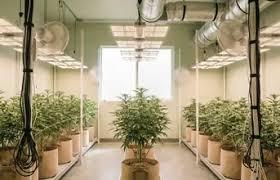
Indoor plant setups come in different forms, from simple arrangements with separate equipment to complete systems with built-in monitoring features. A smart grow tent kit stands out because it combines several components and adds technology for easier oversight. A basic indoor setup, on the other hand, usually depends on individual tools that work separately.
The difference is not just about appearance. Equipment design, control options, space, and convenience all shape the experience. Understanding these features can help readers compare indoor plant systems and learn why smart kits are becoming a recognizable category in the equipment market.
What Is a Basic Indoor Growing Setup?
A basic indoor setup is generally made up of individual pieces of equipment. These may include an enclosed tent, lighting equipment, ventilation components, and simple monitoring tools. Each item has its own function, but the parts may not share a central control system.
This type of arrangement is often straightforward in design. However, the overall system depends on how its separate components are selected and connected. Users may also need to manage different controls instead of relying on a single interface.
A grow room is another form of indoor plant environment. Unlike a tent, it may use an entire room or a dedicated space within a building. Its layout can vary widely, depending on the room's structure and the equipment present.
What Makes a Smart Grow Tent Kit Different?
A smart grow tent kit combines multiple pieces of equipment into one coordinated package. Its main feature is the use of a controller that can connect certain components and provide information through an app or digital interface.
For instance, the Mars Hydro FC-3000 Essential Smart Grow Tent Kit listed on the market includes a tent, LED light, ventilation equipment, carbon filter, and iControl smart controller. The controller also includes a temperature and humidity sensor. These features show how smart kits bring monitoring and control into one system.
The key difference is that the user can view certain environmental readings and access compatible equipment through a connected interface. Instead of relying only on separate manual controls, the system offers a more integrated experience.
Smart Controls and Manual Controls
Control options are one of the clearest differences between smart and basic systems. A basic setup may use separate switches, timers, or speed controls. These tools perform their functions, but they may not communicate with each other.
A smart kit adds a connected controller. Depending on the model, it may provide app-based access to lighting and ventilation functions. It can also display environmental information such as temperature and humidity.
This does not mean every smart kit has the same features. Some products offer basic app access, while others include more advanced monitoring options. Therefore, product specifications matter when comparing different systems.
Equipment Included in a Complete Kit
Another important distinction is the number of components included in the package. A basic setup may require individual equipment purchases, while a complete smart kit brings several items together.
A typical kit may include:
● An enclosed grow tent with a supporting frame
● LED lighting equipment
● Ventilation components
● A carbon filter
● A digital controller or monitoring sensor
● Additional accessories
The exact contents vary by manufacturer and product category. For instance, some kits include a clip fan, fabric bags, or other accessories, while simpler packages may leave these items out.
This bundled design can make the equipment easier to compare as a complete product. However, buyers should still check the included parts rather than assuming every kit offers the same features.
Tent Design and Space Considerations
Tent size is another feature that separates one indoor system from another. Compact tents may measure around 2 feet by 2 feet, while larger models can offer a footprint of approximately 3.3 feet by 3.3 feet.
The size of a tent affects how much interior space is available for equipment and other items. Its height, frame strength, door design, and ventilation openings also contribute to its overall layout.
A dedicated grow room differs because its dimensions are based on the building or room itself. It may have more flexible space, but its equipment and environmental controls can also be more varied. By comparison, a tent provides a defined enclosure with a fixed size and structure.
Monitoring Environmental Conditions
Smart systems often include sensors that display information about the surrounding environment. Temperature and humidity are common readings. Some advanced controllers may also present additional measurements.
These readings can help users understand how conditions change within an enclosed space. A basic setup may use a separate hygrometer or thermometer, while a smart kit can combine certain readings within its digital interface.
Still, monitoring features depend on the model. A smart label does not automatically mean a kit includes every possible sensor or control option. Checking the manufacturer's specifications is the best way to understand what the system can actually do.
Smart Kits and Basic Setups: A Quick Comparison
The main differences can be summarized in a simple comparison:
|
Feature |
Basic Indoor Setup |
Smart Grow Tent Kit |
|
Equipment |
Often purchased separately |
Several components bundled |
|
Controls |
Mostly individual controls |
Connected controller may be included |
|
Monitoring |
Separate meters or sensors |
Integrated digital monitoring |
|
App access |
Not always available |
Available in smart models |
|
Equipment coordination |
May require manual management |
Compatible parts can work through one interface |
|
Overall design |
Flexible and varied |
More standardized as a package |
Neither category is identical across all brands. The features depend on the equipment and the specific product.
Why Smart Grow Tent Kits Are a Distinct Equipment Category
Smart grow tent kits differ from basic indoor arrangements because they combine enclosure design, equipment, and digital control features. Their connected interface is the main point of distinction, while a basic setup usually relies on separate components.
For readers exploring grow tents as an equipment topic, understanding this difference offers useful context. The same applies to broader indoor plant environments, where a grow room may use a range of individual tools or integrated systems.
Ultimately, smart kits represent a more connected approach to indoor plant equipment. Basic setups offer a simpler collection of components, while smart systems place more emphasis on centralized monitoring and control. Looking closely at the equipment list, tent dimensions, and controller features helps explain what makes each option different.
 Greek
 English
 Arabic
 French
 Spanish
 Portuguese
 Deutsch
 Turkish
 Dutch
 Italiano
 Russian
 Romaian
 Portuguese (Brazil)