


What Business Owners Should Know About EPDM Roofing in Bloomington, IN
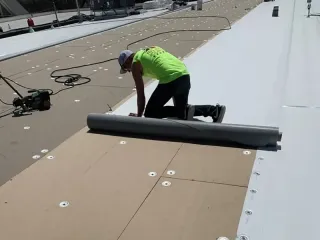
A commercial roof protects a building from rain, wind, sunlight, and changing temperatures. Choosing the right roofing material is important for keeping a property safe and reducing future repair costs. EPDM roofing in Bloomington, IN, is one option business owners can consider when looking for a durable roofing system for flat or low-slope commercial buildings.
EPDM is a rubber roofing membrane known for its flexibility, weather resistance, and relatively simple maintenance. Before choosing this material, it is helpful to understand how it works, what benefits it offers, and what to consider before installation.
What Is EPDM Roofing?
EPDM stands for Ethylene Propylene Diene Monomer. It is a synthetic rubber material commonly used on flat and low-slope commercial roofs.
EPDM roofing membranes are usually available in black and white. They are installed over a prepared roof surface and secured using approved methods, such as adhesive, mechanical fasteners, or ballast systems.
The material is flexible and can handle normal expansion and contraction caused by temperature changes. This makes it a practical option for many commercial properties.
Key Benefits of EPDM Roofing for Commercial Buildings
EPDM offers several features that make it worth considering for business owners.
1. Good Weather Resistance
Commercial roofs face rain, wind, sunlight, and seasonal temperature changes. EPDM is designed to handle different weather conditions when properly selected and installed.
It can help protect the roof structure from regular outdoor exposure and moisture.
2. Flexible Roofing Material
Temperature changes can cause roofing materials to expand and contract. EPDM has good flexibility, allowing it to adjust to these movements.
This flexibility can help reduce stress on the roofing membrane over time.
3. Long-Term Performance
EPDM is known for its durability. With proper installation, suitable materials, and regular maintenance, an EPDM roof can provide many years of service.
However, its actual lifespan depends on roof design, installation quality, weather exposure, and maintenance.
4. Simple Maintenance
EPDM roofs do not require complicated maintenance routines. Regular inspections can help identify problems before they become larger issues.
Business owners should check for:
-
Tears, cracks, or punctures
-
Loose or damaged seams
-
Problems around roof edges and flashing
-
Blocked drains and standing water
-
Damage caused by foot traffic or equipment
5. Different Installation Options
EPDM roofing can be installed using different methods depending on the building and roof design. A roofing professional can inspect the surface and recommend a suitable installation system.
Is EPDM Roofing Right for Your Commercial Property?
EPDM can be a good choice for many flat and low-slope commercial buildings. However, it may not be the best option for every property.
Before making a decision, consider these factors:
-
Roof condition: Check whether the existing roof needs repairs or complete replacement.
-
Building design: Roof slope, drainage, and surface condition can affect material selection.
-
Local weather: Consider how the roofing system will perform in the area's seasonal conditions.
-
Project budget: Compare material, labor, preparation, and long-term maintenance costs.
-
Maintenance needs: Understand the inspection and care required to keep the roof in good condition.
A professional roof inspection can help determine whether EPDM is suitable for your building.
What to Expect During EPDM Roof Installation
Proper installation is important for the performance of an EPDM roofing system. While the exact process depends on the building, most projects include these steps.
Step 1: Roof Inspection
The roofing contractor checks the existing roof for leaks, damaged areas, drainage problems, and other concerns.
Step 2: Surface Preparation
The roof surface is cleaned and prepared. Any necessary repairs are completed before the new membrane is installed.
Step 3: Membrane Installation
The EPDM membrane is placed over the prepared surface. It is secured using the selected installation method.
Step 4: Sealing and Flashing
Seams, edges, roof penetrations, and flashing areas are carefully handled to help prevent water from entering the building.
Step 5: Final Inspection
The completed roof is checked for installation issues, loose sections, and areas that may need additional attention.
EPDM Roofing Maintenance Tips
Regular maintenance helps keep an EPDM roof in good condition. Business owners should arrange inspections and address small problems before they become expensive repairs.
Here are some simple maintenance tips:
-
Schedule roof inspections at least twice a year.
-
Remove leaves, branches, and other debris.
-
Keep gutters and drainage systems clear.
-
Check seams and flashing for signs of damage.
-
Inspect the roof after severe weather.
-
Avoid unnecessary foot traffic on the membrane.
-
Arrange professional repairs when damage is found.
These steps can help reduce unexpected roofing problems and support better roof performance.
EPDM Roofing in Bloomington, IN and Evansville, IN
Weather conditions and building requirements should be considered when selecting a commercial roofing system. Business owners exploring EPDM roofing should pay attention to roof drainage, insulation, installation quality, and seasonal weather exposure.
Similarly, businesses considering EPDM roofing in Evansville, IN, should evaluate the condition and design of their existing roofs before choosing a membrane system.
A roofing solution that works well for one building may not be suitable for another. A proper inspection helps property owners make a more informed decision.
How to Choose the Right EPDM Roofing Contractor
The quality of installation can affect how well an EPDM roof performs. Before hiring a contractor, consider the following:
-
Check their experience with commercial roofing systems.
-
Ask about their EPDM installation process.
-
Review previous project work and customer feedback.
-
Confirm the materials and installation methods they recommend.
-
Discuss project costs and expected timelines.
-
Understand the warranty terms and maintenance requirements.
Do not choose a contractor based only on the lowest price. Proper preparation and installation are important for long-term roof performance.
Conclusion
EPDM roofing can be a practical option for business owners who need a flexible and durable solution for flat or low-slope commercial buildings. Understanding its benefits, installation process, and maintenance needs can help you decide whether it fits your property.
Before starting a roofing project, arrange a professional inspection and compare your available options. Outdo Commercial Roofing helps business owners understand their commercial roofing needs and explore suitable roofing solutions for their properties.
Frequently Asked Questions
1. What is EPDM roofing used for?
EPDM roofing is commonly used on flat and low-slope commercial buildings. It provides a flexible rubber membrane designed to protect roofs from outdoor weather conditions.
2. How long does an EPDM roof last?
An EPDM roof can last for many years when properly installed and maintained. Its lifespan depends on material quality, installation, weather exposure, and regular care.
3. Is EPDM roofing good for commercial buildings?
Yes. EPDM is a popular option for many commercial buildings because of its flexibility, weather resistance, and maintenance requirements. Its suitability depends on the building's roof design and condition.
4. Does EPDM roofing require regular maintenance?
Yes. Regular inspections, debris removal, drainage checks, and timely repairs help maintain the roof and identify potential problems early.
5. Can EPDM roofing be installed over an existing roof?
In some cases, EPDM can be installed over an existing roofing system. However, the existing roof must meet specific condition and installation requirements. A professional inspection is necessary before making this decision.
6. Is EPDM roofing suitable for properties in Bloomington, IN?
EPDM can be suitable for many commercial properties in Bloomington, IN. A contractor should evaluate the roof design, drainage, insulation, and building requirements before recommending it.

 English
 French
 Spanish
 Portuguese
 Deutsch
 Turkish
 Dutch
 Italiano
 Russian
 Romaian
 Portuguese (Brazil)
 Greek