


Where Trillium Floway Vertical Turbine Fire Pumps Fit in Demanding Water Supply Applications
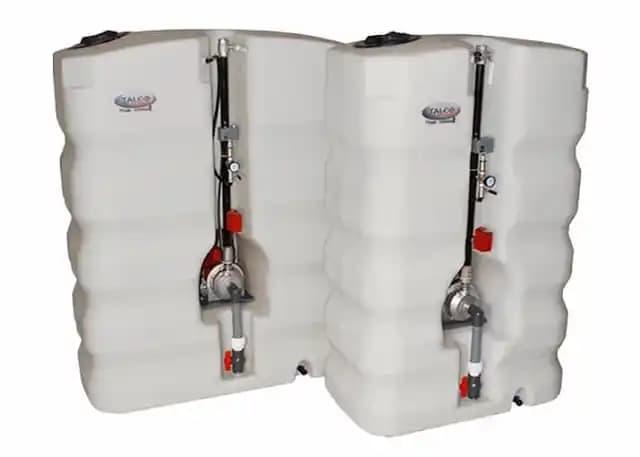
Facilities that depend on large or challenging water supplies require fire protection equipment capable of meeting specific hydraulic demands. Water sources such as reservoirs, wells, tanks, and other below grade supplies can create installation and performance considerations that differ from conventional arrangements. Trillium Floway vertical turbine fire pumps are relevant when professionals evaluate vertical turbine pump configurations for demanding water supply applications. Understanding their design, operating principles, installation requirements, and maintenance needs helps facility managers determine whether this type of equipment suits their fire protection system.
How Vertical Turbine Fire Pumps Work
Understanding the Vertical Pump Arrangement
A vertical turbine pump uses a vertically arranged shaft and a series of impellers and bowls to move water from a submerged intake toward the discharge connection. The pump assembly is positioned to draw water from a source below the installation level. This configuration can be useful when the water source is located in a well, reservoir, or tank. Its suitability depends on water level, required capacity, installation depth, and the hydraulic conditions established by the system design.
The Role of Impellers and Pump Bowls
Impellers transfer energy to the water as it moves through the pump, while the surrounding bowls guide the flow and help develop the required pressure. The number and arrangement of stages influence the pump's hydraulic characteristics. These components must be selected according to the required flow and pressure conditions. Proper material selection and accurate assembly also influence equipment durability. Understanding these internal components helps professionals evaluate pump construction and identify the maintenance considerations associated with vertical turbine equipment.
Shaft and Driver Arrangement
The vertical shaft connects the pump assembly with its driver, allowing mechanical power to operate the impellers. The shaft arrangement, alignment, bearings, and lubrication requirements all influence reliable operation. A suitable driver must match the pump's power and operating requirements. During equipment selection, professionals should review the complete assembly rather than considering the pump bowl alone. Correct alignment and installation are essential because mechanical problems can contribute to vibration, wear, and reduced operating performance.
Where Vertical Turbine Pumps Are Suitable
Deep Wells and Below Grade Water Sources
Vertical turbine pumps are often considered for applications where water must be drawn from a source located below the pump installation level. Deep wells and certain below grade water supplies may require this arrangement because conventional horizontal pump configurations may not be suitable. The available water level, well dimensions, submergence requirements, and expected drawdown should be evaluated carefully. Accurate site information helps determine whether the proposed pump can operate within suitable hydraulic conditions and deliver the required water supply.
Reservoirs and Storage Tanks
Facilities that use reservoirs or storage tanks may consider vertical turbine arrangements when the water source and installation layout support this configuration. The intake position and available water depth are important because the pump must maintain suitable suction conditions during operation. Water level variations, tank geometry, intake restrictions, and sediment conditions should be reviewed during design. Proper evaluation helps identify potential installation challenges and supports reliable water delivery from the selected source.
Industrial and Large Facility Applications
Industrial facilities, large commercial properties, and other demanding environments may have significant fire protection water requirements. Their pump selection process should account for the building's hydraulic design, water supply arrangement, and expected operating conditions. Vertical turbine pumps may be considered when the source arrangement makes this configuration appropriate. However, the final selection must be based on verified engineering calculations, applicable requirements, and the characteristics of the complete fire protection installation.
Key Design Factors to Evaluate
Flow and Pressure Requirements
The required flow rate and pressure determine the hydraulic performance needed from a fire pump. Professionals should review system calculations and identify the required operating point before comparing equipment options. A pump must deliver the specified performance under the expected water supply conditions. Selecting equipment based only on a general capacity description may result in an unsuitable configuration. Accurate hydraulic information helps determine the appropriate pump stages, operating characteristics, and driver requirements.
Water Level and Submergence
Water level is especially important in vertical turbine installations because the intake and pump bowl arrangement must remain suitable for the available source conditions. Minimum water levels, seasonal changes, expected drawdown, and intake positioning should be considered. Insufficient submergence or unsuitable intake conditions may contribute to operational problems. A detailed assessment of the water source helps determine the appropriate installation depth and supports reliable operation throughout the expected range of water levels.
Materials and Operating Environment
The materials used in pump construction should be appropriate for the water quality and environmental conditions. Corrosion, sediment, temperature, and other site factors can influence component durability. Professionals should review available material specifications for bowls, impellers, shafts, fasteners, and related components. Suitable construction materials can help reduce deterioration and support equipment longevity. Material selection should always reflect the actual application and relevant technical requirements rather than general assumptions about durability.
Installation and System Compatibility
Foundation and Structural Requirements
Vertical turbine pump installations require suitable structural support and accurate positioning. The foundation must accommodate the equipment arrangement, driver, discharge connection, and associated loads. Alignment is important because improper positioning can create mechanical stress and affect shaft operation. Installation teams should review manufacturer instructions, structural drawings, and site conditions before beginning work. Careful preparation helps reduce installation complications and supports stable operation after the equipment is placed into service.
Electrical and Control Equipment
Electric motor driven vertical turbine pumps require compatible motors, electrical supplies, and controllers. Motor ratings, voltage, phase, frequency, and starting arrangements should match the equipment and project specifications. The controller must also be suitable for the pump's intended operation and applicable requirements. Professionals can review fire pump controller functions to understand how control equipment manages pump operation and provides important status information. Electrical and control compatibility should be verified before installation.
Discharge Piping and Supporting Components
The discharge arrangement connects the pump with the wider fire protection network. Piping dimensions, fittings, valves, supports, and connection locations should be evaluated according to the system design. Restrictions or unsuitable arrangements can affect hydraulic performance and complicate maintenance. Professionals should confirm that the proposed installation accommodates the pump's rated operating conditions. Coordinating the pump with connected equipment helps support reliable water delivery and makes future inspection activities more manageable.
Operational and Maintenance Considerations
Monitoring Mechanical Performance
Regular monitoring helps identify unusual vibration, noise, temperature changes, leakage, and other conditions that may indicate developing mechanical problems. Vertical turbine equipment requires attention to shaft alignment, bearings, lubrication arrangements, and driver performance. Changes in operating behavior should be investigated by qualified personnel. Early diagnosis can help prevent further component deterioration and reduce the likelihood of unexpected equipment interruptions. Maintenance findings should be recorded to support future inspections and repair planning.
Inspecting the Water Supply
The water source should be evaluated as part of the overall maintenance program. Changes in water level, sediment accumulation, debris, or intake restrictions may affect pump performance. Professionals should examine the source arrangement and verify that the pump receives water under suitable conditions. Any signs of contamination or restricted flow should receive appropriate attention. Maintaining the water supply arrangement helps protect the pump and supports dependable operation when the fire protection system requires water.
Conducting Appropriate Performance Tests
Performance testing helps determine whether a fire pump continues to meet its required pressure and flow conditions. Testing can identify changes that may result from internal wear, water supply limitations, or other operating concerns. Professionals should follow applicable requirements, manufacturer recommendations, and approved testing procedures. Information about fire pump testing methods can help facility teams understand common approaches to evaluating pump performance and system readiness.
Making an Informed Equipment Selection
Selecting a vertical turbine fire pump requires a complete understanding of the water source, hydraulic requirements, installation conditions, and connected equipment. Buyers should prepare project drawings, water level information, flow and pressure requirements, electrical specifications, and available site measurements before evaluating options. Existing installations may also require equipment model details and photographs. Providing accurate information helps technical professionals assess compatibility and identify the details that need further confirmation. Guidance on choosing a dependable fire pump supplier can also help buyers consider product knowledge and technical support when comparing equipment sources.
Long term maintenance should also influence the purchasing decision. Facility managers should consider inspection access, component availability, technical documentation, and the requirements for performance testing. A suitable pump must not only meet the initial design conditions but also remain practical to inspect and maintain. Reviewing these factors before purchasing helps facilities plan for equipment reliability and manage future service responsibilities more effectively.
Conclusion
Vertical turbine fire pumps can be suitable for demanding water supply applications where water is drawn from wells, reservoirs, or other below grade sources. Their selection requires careful evaluation of hydraulic performance, water level, construction materials, installation arrangements, and system compatibility. Regular inspections and appropriate performance testing help maintain reliable operation. Understanding these considerations allows facility professionals to evaluate equipment according to actual project requirements. Steven Brown & Associates, Inc. helps professionals understand fire pump specifications and explore suitable equipment solutions for dependable fire protection systems.
 Romaian
 English
 Arabic
 French
 Spanish
 Portuguese
 Deutsch
 Turkish
 Dutch
 Italiano
 Russian
 Portuguese (Brazil)
 Greek