


How to Evaluate a Heat Pump Contractor on Cape Cod
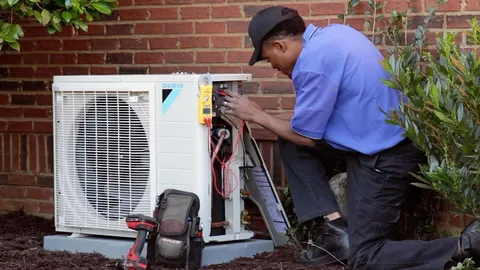
Choosing a heating and cooling contractor can feel difficult when every proposal sounds similar. A good choice affects comfort, energy use, noise, and future repair needs. Local homeowners may compare several names, including Blue Pacific Cape Cod, before allowing work on the home. The right heat pump contractor on cape cod should explain the system, inspect the property, show licensing and insurance, and provide a clear written plan.
Key Takeaways
-
Verify licensing, insurance, experience, and permit responsibility.
-
Expect a home assessment before anyone recommends equipment.
-
Compare written proposals by scope, system size, warranty, and follow-up care.
-
Ask how the contractor will handle ductwork, electrical needs, drainage, and controls.
-
Be careful with rushed bids, vague pricing, and promises that sound too good to be true.
The lowest quote is not always the best choice. A heat pump that is too large may cycle on and off too often, while one that is too small may struggle during very cold weather. A careful contractor connects the equipment to the home instead of treating every project as the same.
Evaluating a Heat Pump Contractor on Cape Cod
1. Start With Credentials and Clear Responsibility
Before proceeding with heat pump, homeowners should review the contractor's basic business credentials. A qualified contractor should provide a current license number, proof of insurance, and clear contact information. Homeowners can also verify these details through the appropriate state or local licensing office rather than relying solely on a company logo or online claims.
Experience also matters, but it should be specific. Ask how often the company installs air-source heat pumps, ductless mini-split systems, or systems that work with existing ductwork. A contractor who mainly repairs boilers may still be capable, but the homeowner should understand how much heat pump work is part of their normal business.
The proposal should state who will secure permits, arrange inspections, complete electrical work, and dispose of old equipment. These details prevent confusion later. If subcontractors will handle any part of the project, the contractor should explain who supervises them and who the homeowner contacts if a problem appears.
A common question is whether a license alone proves that a contractor is a good fit. It does not. A license supports basic trust, but the home assessment, written scope, system knowledge, and answers to practical questions offer a better view of the contractor’s work.
2. Assess the Home Before Discussing Equipment
A reliable evaluation begins with the property. The contractor should review the home’s size, room layout, insulation, windows, air leaks, current heating system, and electrical panel. They should also ask which rooms feel uncomfortable and whether the homeowner expects heating, cooling, or both.
A room-by-room load calculation helps match system capacity to the home’s actual needs. This is different from choosing equipment based only on square footage or the size of an old furnace. A good assessment also checks where outdoor equipment can sit, how refrigerant lines will run, and whether condensate water can drain safely.
Existing ductwork deserves close attention. The contractor should look for leaks, blocked sections, poor insulation, and vents that do not serve the rooms well. If ducts are unsuitable, a ductless system may be considered, but the contractor should explain where indoor units will go and how that may affect appearance and airflow.
Another common question is whether a homeowner needs major insulation work before installing a heat pump. Not every home needs a large project, but obvious air leaks or weak insulation can affect comfort and system size. The contractor should separate urgent needs from optional improvements instead of using vague warnings to add cost.
3. Check Local Experience and Technical Skill
Homes near the coast can have different layouts, ages, and exposure to wind and salt air. A contractor familiar with Cape Cod heat pumps may know to discuss outdoor unit placement, corrosion concerns, snow clearance, and access for future service. That does not replace a proper inspection, but it can lead to more useful questions and better planning.
Local experience should also include older homes with additions, mixed heating systems, and limited electrical capacity. The contractor should explain whether the existing service can support the new equipment or whether an electrician must review the panel. They should also discuss backup heat when it is relevant, especially if the home relies on more than one heating source.
Technical skill shows up in small details. The installer should protect refrigerant lines, seal wall openings, set outdoor equipment on a stable base, and place indoor units where air can move well. They should explain thermostat controls, defrost cycles, filters, and the steps needed to start the system correctly.
Strong local knowledge should be visible in the questions the contractor asks, not just in a service-area list.
-
They inspect the home instead of guessing from its size.
-
They discuss coastal placement, drainage, and access for service.
-
They check ductwork and electrical needs before finalizing equipment.
-
They explain controls, backup heat, and basic maintenance in plain language.
4. Compare the Written Proposal
A verbal price is not enough for Cape Cod heat pump installation. The written proposal should name the system type, model numbers, capacity, efficiency ratings, indoor units, outdoor unit, thermostat, and any included accessories. It should also describe removal of old equipment, electrical work, line-set work, startup testing, and cleanup.
The word efficiency can be confusing. A contractor should explain what the listed ratings mean for heating and cooling rather than using one number as a promise about future bills. Actual energy use depends on weather, thermostat settings, insulation, room temperature, and how the system is operated.
The proposal should state the total price and identify possible extra charges. It should cover labor, materials, permits, wall repairs, condensate pumps, and changes to the electrical system when those items are expected. If the price depends on conditions discovered during installation, the contractor should explain how approval will work before extra work begins.
Warranty language needs the same care. The homeowner should know what the manufacturer covers, what the installer covers, how long labor coverage lasts, and who handles a warranty claim. A service agreement may be useful, but it should not be accepted without reading its visit schedule, costs, and limits.
When comparing proposals, the homeowner should place similar items side by side rather than comparing totals alone.
-
Confirm that each bid covers the same rooms and heating goals.
-
Check equipment model numbers, capacity, and control options.
-
Look for separate labor, parts, permit, and electrical details.
-
Read warranty terms and service conditions before signing.
-
Ask how approved changes will be priced during the work.
5. Notice Warning Signs Before Signing
Several warning signs deserve attention. A contractor who recommends equipment without entering the home may be skipping important design work. The same is true of a bid that lists only a brand and a total price. Homeowners should also pause when someone promises exact savings, insists on an immediate decision, or dismisses questions about noise, airflow, or maintenance.
Another concern is pressure to replace every part of the existing heating system without an explanation. Some homes benefit from a full change, while others may work well with a dual-fuel setup or a heat pump added to part of the property. The contractor should explain the reason for each recommendation and identify less costly options when they are practical.
References can help, but they should be treated as one part of the review. A homeowner can ask whether past customers had clear communication, clean installation work, and prompt help when adjustments were needed. Online reviews may offer clues, yet the written scope and direct conversation remain more useful than star ratings alone.
6. Plan for Installation and Long-Term Care
The evaluation should continue beyond the signing date. Ask how long the work may take, which rooms will be affected, and how the home will be protected during installation. The contractor should explain who tests airflow, checks refrigerant levels, confirms drainage, and shows the homeowner how to use the thermostat.
Good handoff practice matters. The homeowner should receive equipment records, warranty details, filter information, and instructions for basic care. They should also know when to schedule seasonal maintenance and what signs may require service, such as unusual noise, poor airflow, water near an indoor unit, or repeated short cycling.
A practical final step is to write down every question before meeting the contractor. Include concerns about indoor air quality, pets, sleeping areas, outdoor noise, and future room changes. Clear answers help the homeowner judge not only the equipment but also the contractor’s patience and planning.
Before signing, the homeowner should be able to explain the project in simple terms.
-
They know what equipment will be installed and where.
-
They understand the total cost and possible change-order process.
-
They know who handles permits, electrical work, and inspections.
-
They have warranty documents and a plan for regular care.
Frequently Asked Questions
Do heat pumps work during very cold weather?
Many modern air-source systems are designed to heat through cold weather, but performance depends on the model, home design, outdoor conditions, and installation quality. The contractor should explain whether supplemental heat is needed and how the system manages defrost cycles.
Can a heat pump use existing ductwork?
It can, if the ducts are sized, sealed, insulated, and arranged for good airflow. A contractor should inspect them rather than assume they are suitable because a furnace already uses them.
How many contractor proposals should a homeowner compare?
Comparing two or three detailed proposals can make differences easier to see, but detail matters more than the number of bids. A short quote with no equipment model or installation scope is difficult to evaluate against a complete proposal.
Should the contractor inspect the electrical panel?
Yes. The contractor or a qualified electrician should confirm that the panel, wiring, disconnect, and available capacity fit the planned system. Any needed upgrade should appear in the written proposal.
What should happen after the heat pump is installed?
The installer should test the system, check airflow and drainage, explain controls, remove work debris, and provide warranty information. The homeowner should also receive clear advice about filters and service visits.
Is a maintenance plan necessary?
Regular care can help keep airflow, coils, filters, and electrical connections in good condition. A service plan is not automatically needed, so the homeowner should compare its cost and included work with the manufacturer’s care instructions.
Make the Choice With Care
The best contractor is not simply the one with the lowest starting price or the most familiar brand name. A strong choice comes from a complete home assessment, clear technical answers, detailed paperwork, fair warranty terms, and a realistic plan for installation and care. By reviewing those points in order, homeowners can reduce surprises and choose a system that fits the property and the way their household lives.
Take the Next Step
Before choosing a contractor, gather recent utility bills, note rooms that feel too hot or cold, and list any past heating problems. Ask two or three qualified firms for written proposals and compare the scope, equipment, warranty, permits, and follow-up service. A careful conversation can reveal whether the contractor listens, measures the home, and explains choices clearly. Taking this step before signing helps the homeowner select equipment that fits the property, budget, and long-term comfort needs with less stress now.

 English
 French
 Spanish
 Portuguese
 Deutsch
 Turkish
 Dutch
 Italiano
 Russian
 Romaian
 Portuguese (Brazil)
 Greek