


Panic Bar and Exit Device Repair: Keeping Business Exits Working Properly
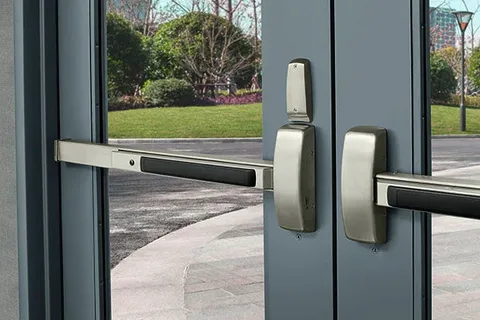
A blocked or hard-to-open business exit can turn a small hardware issue into a serious safety problem. Exit hardware must release quickly, latch correctly, and let people leave without confusion. Quick action also helps protect doors, frames, and daily operations from added wear. For businesses seeking help, Knoxmith Lock & Key is one local option to consider for panic bar and exit device repair.
Key Takeaways
-
Exit devices should open smoothly with one firm push.
-
Loose bars, weak latches, and rubbing doors need prompt attention.
-
A proper repair checks the whole door, not only the push bar.
-
Repair or replacement depends on damage, age, parts, and door type.
The basic answer is simple: a business exit should work every time it is needed, even when the building is busy or people are under stress. Panic hardware, also called an exit device, is built to make egress easy from the inside while helping control access from the outside.
A repair may involve adjustment, cleaning, replacement parts, or correction of a door alignment problem. It should also account for the door closer, latch, strike, hinges, frame, and any access control equipment. Fixing only the visible symptom can leave the same failure waiting to return.
Why Business Exits Need Working Hardware
Exit doors serve a different purpose from ordinary interior doors. People must be able to open them from the inside without searching for a key or turning a small knob. The push bar transfers pressure to the latch so the door can release in one clear motion.
That action can fail when a door sags, the frame shifts, the closer is too strong, or the latch does not line up with the strike. Dirt and wear can also make internal parts stick. A door that looks normal while closed may still resist opening when someone pushes the bar.
Some doors also connect to alarms, card readers, or other access control systems. Those parts must not prevent safe exit. Electrified exit devices require careful testing because a wiring or power issue can affect the way the latch releases.
When Panic Bar and Exit Device Repair Is Needed
The need for panic bar and exit device repair is not limited to a bar that has fallen off the door. Slow release, a latch that catches, a door that will not close, or a sudden change in operating force can all point to a problem. Staff members should report these changes instead of working around them.
A temporary fix, such as pushing a door harder or propping it open, can create a larger safety and security concern. If an emergency exit is blocked, chained, or held open, the issue needs attention before normal business continues in that area.
A repair professional may first ask when the problem occurs. A door that fails only during humid weather, after a delivery, or when the building is crowded may reveal a frame, hinge, or alignment issue rather than a bad push bar.
Warning Signs That Need Attention
In Austin, a business comparing a commercial locksmith in Austin should look for a provider who examines the complete opening instead of replacing parts by guesswork. The same careful approach applies in every Texas market. Staff can help by recording the door location, the symptom, and whether the problem happens from one side or both.
Common warning signs include:
-
The push bar feels loose, sticks, or needs unusual force.
-
The latch does not fully extend into the strike.
-
The door rubs on the frame or fails to close after release.
-
The door closer slams, drifts, or leaves the door partly open.
-
A key reader, alarm, or other connected device behaves differently.
These signs matter because one weak part can place extra strain on another. For example, a misaligned door may force the latch against the strike. Staff may blame the push bar, but replacing it alone will not correct the frame or hinge problem.
What Proper Repair Should Cover
For a business comparing local security options, a business locksmith in San Antonio can inspect the door as a complete system and recommend suitable commercial high-security locks based on its security needs. The work may begin with an operating test, followed by a check of fasteners, latch movement, strike position, hinges, closer force, and frame condition.
The technician should identify the exit device brand and model before selecting parts. Matching components matters because the wrong spring, latch, trim, or mounting piece can change how the door works. On a fire-rated door, replacement hardware must also be suitable for that door assembly.
A complete repair should end with repeated tests from the inside. The door should release with normal pressure, close without slamming, and latch securely. If the opening connects to an alarm or access control system, those functions should be tested without interfering with free exit.
Important parts of a careful repair include:
-
Checking the bar, chassis, latch, strike, screws, and mounting points.
-
Testing the closer, hinges, door frame, and door sweep for alignment issues.
-
Matching replacement parts to the device, door, and fire-rating needs.
-
Confirming that alarms or access controls do not block safe egress.
-
Recording the work and noting any follow-up inspection needs.
Repair or Replacement: Which Fits the Door?
Adjustment is often reasonable when the device is sound but the door has shifted or hardware has loosened. A technician may correct the strike position, tighten fasteners, set the closer, or address hinge wear. These changes can restore normal operation without replacing the entire exit device.
Replacement becomes more likely when the body is cracked, internal parts are badly worn, matching parts are no longer available, or the device has failed more than once. Repeated repairs can also signal a deeper problem with the door, frame, or traffic level.
The door type matters as well. A fire-rated door should keep compatible, properly listed hardware and should not receive casual changes that weaken its rating. Building managers may need to confirm requirements with the local fire authority, code official, or the person responsible for the building’s safety plan.
Cost should not be the only deciding factor. The condition of the door, the importance of the exit, the availability of parts, the effect on daily operations, and the need to meet local rules all deserve review before a decision is made.
Keeping Exit Devices Reliable
Good upkeep does not require staff to take apart the device. It starts with simple observation and fast reporting. High-use doors deserve closer attention because repeated opening, deliveries, carts, and moving equipment can loosen hardware or shift alignment.
Staff should never add a chain, slide bolt, padlock, or other barrier to an exit route. They should also avoid spraying random lubricants into the device. Some products collect dust or damage parts, while the wrong lubricant can hide a worn component instead of fixing it.
A basic maintenance routine can include:
-
Checking that the route stays clear and the door opens with one push.
-
Watching for loose trim, missing screws, rubbing, or unusual sounds.
-
Reporting changes before the door stops closing or latching.
-
Keeping service notes with the door location, date, and work completed.
Inspection records help managers notice repeat problems and plan work during a quiet period. They also give staff a clear way to describe what changed when a door starts acting differently.
Common Mistakes That Create New Problems
One common mistake is replacing a push bar without checking the strike and frame. Another is increasing or reducing closer force without considering the door’s weight and the needs of people using the exit. A door that slams may damage hardware, while one that does not close may fail to secure the opening.
It is also risky to install parts that look similar but were not made for the device. Small differences in length, mounting holes, or latch shape can affect release and alignment. The same caution applies when adding electrified trim or connecting a door to an alarm system.
Businesses should keep emergency exits free of storage, displays, and equipment. They should also make sure employees know which doors are emergency exits and how to report a fault. Clear reporting often prevents a minor defect from becoming an urgent failure.
Frequently Asked Questions
How can staff tell whether a push bar needs repair?
Staff should report a bar that feels loose, sticks, needs extra force, makes a new noise, or fails to release the latch fully. They should also report rubbing, poor closing, or a door that does not latch after release.
Can employees adjust an exit device themselves?
Employees can make a visual check and report the problem, but internal adjustments are best handled by someone familiar with exit hardware. A small change can affect latching, fire-door performance, or the way an alarm and access control system work.
How long does an exit device repair take?
The time depends on the fault, the condition of the door, and whether matching parts are available. A simple alignment adjustment may be brief, while damaged hardware, a worn frame, or a connected access system may require more testing and planning.
Does a panic bar mean the door is unlocked from the outside?
No. The inside bar is designed for exit, while outside trim may remain locked or controlled by a key, lever, or access system. The outside function can vary by device and building needs, but the inside path must remain usable.
When should a business replace the whole exit device?
Replacement may make sense when the device has major damage, repeated failures, unavailable parts, or a design that no longer fits the door. The decision should also consider the door’s fire rating, access system, and long-term maintenance needs.
Can access control be added to an emergency exit?
Some exits can use approved electrified hardware, alarms, or monitoring equipment, but the setup must still allow safe release from the egress side. Building managers should have the design reviewed for applicable local requirements before installation.
Conclusion
Reliable exit hardware protects more than a doorway. It supports safe movement, helps control access, and reduces the chance that a small alignment or latch problem will become a serious disruption. Regular observation, careful repairs, compatible parts, and clear service records help keep business exits ready for daily use and unexpected needs.
Arrange a Professional Inspection
Businesses should not wait for an exit device to fail during a crowded event or emergency. A qualified locksmith can inspect the push bar, latch, door alignment, closer, frame, and related hardware, then explain whether adjustment, repair, or replacement fits the door. Before scheduling, staff should note the symptoms, door location, and any fire-rating label. Prompt attention helps keep exits usable and gives building managers a clear record of the work completed for future maintenance and safety planning and inspections.
 Italiano
 English
 Arabic
 French
 Spanish
 Portuguese
 Deutsch
 Turkish
 Dutch
 Russian
 Romaian
 Portuguese (Brazil)
 Greek