


Electronic Safe Lock Problems in Arizona Heat: Batteries, Keypads, and Wiring
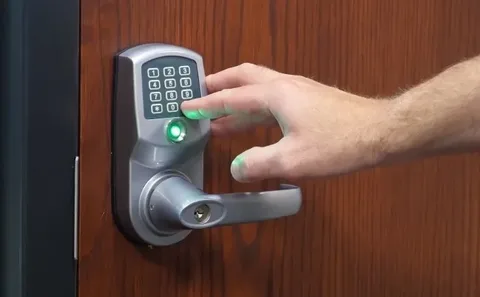
An electronic safe can stop accepting a code on a very hot Arizona afternoon, yet the keypad itself may not be the main fault. Heat can shorten battery life, loosen small wire connections, and expose weak parts that worked normally indoors. Old Glory Locksmith can help a property owner separate a simple power issue from a lock failure, but the first response should be calm and careful. These electronic safe lock problems often become easier to diagnose when the owner notes the safe’s location, symptoms, battery age, and any recent move or repair.
Key Takeaways
-
High heat can affect batteries, keypad contacts, wiring, and the lock motor.
-
A dim display or weak beep often points to a power problem first.
-
The safe should stay open while new batteries and the access code are tested.
-
Owners should avoid forcing the handle, spraying cleaner, or drilling without a proper assessment.
-
A model number and clear symptom notes can make the next repair decision easier.
Understanding Electronic Safe Lock Problems in Arizona Heat
A safe in a garage, storage room, shed, or room with direct sun may face much higher heat than one inside a conditioned area. Repeated heating and cooling can also stress plastic parts, battery contacts, and small connectors. Dust adds another concern because it can settle around the keypad or enter gaps near the battery compartment.
Batteries are often the first place to look. High temperatures can reduce battery service life and increase the chance of leakage, especially when old alkaline batteries remain in place for too long. A keypad may still light up while the batteries lack enough voltage to move the lock motor. That can create a confusing pattern: the display works, but the safe will not open.
The owner should replace batteries only with the type listed by the safe maker. They should inspect for white, crusty residue, rust, or loose contacts before inserting new cells. If leakage has reached the wiring or circuit board, new batteries may not solve the issue. They should also keep the safe door open while testing, because a new battery set does not confirm that the boltwork will release every time.
Heat does not affect every safe in the same way. A newer unit may have better insulation around its electronics, while an older keypad may have a worn membrane or tired buttons. A fire-rated safe can also hold heat inside longer than expected after exposure, so the outside temperature alone does not show the conditions around the lock.
Signs That Point to a Simple Battery Issue
The exact symptom matters more than the owner’s first guess. A safe that gives no light, sound, or response has a different starting point from one that accepts the code but does not retract the bolt. The following signs often justify checking power before replacing the entire keypad:
-
The display is dim, flickers, or turns off during code entry.
-
The beeper sounds weak or stops halfway through a code.
-
The keypad works only after the safe cools down.
-
The batteries are old, mixed brands, or show signs of corrosion.
An owner should avoid mixing new and used batteries or combining different battery types. They should also check whether the contacts are pushed down or dirty. A dry cotton swab may remove loose dust, but liquid cleaners should not be sprayed into the keypad. If the battery compartment is inside the door and the safe is locked, the owner should check the manual for an approved emergency power method instead of trying to pry the compartment open.
A common question is whether changing batteries erases the code. On many models, the code is stored in memory and remains in place, but this is not universal. The manual, model number, or manufacturer’s instructions should answer that question before anyone disconnects the power. If the safe opens after a battery change, the owner should enter and test the code several times with the door open.
When the Keypad or Wiring Needs Closer Attention
A keypad problem may involve worn buttons, damaged contacts, a failed display, or a fault on the circuit board. For example, if only one number fails to register, the problem may be the keypad membrane rather than weak batteries. If the numbers register but the safe makes a click without moving the bolt, the lock motor, wiring harness, or mechanical boltwork may need inspection. Safe lock repair may involve electronics, mechanical parts, or both, so replacing a keypad without testing the rest can waste time and money.
Wiring deserves special attention after a safe has been moved, dropped, opened with force, or exposed to long-term heat. A loose connector can cause an intermittent fault that appears and disappears as the safe warms. Insulation can also become brittle over time. An owner may notice that pressing near the keypad changes the response, but that does not make pressing harder a safe repair method.
The following observations can help a technician narrow the problem without repeated trial and error:
-
The keypad lights up, but no motor sound follows a correct code.
-
One or more buttons work only when pressed at a certain angle.
-
The lock responds briefly after the battery compartment or wiring is moved.
-
The safe was recently transported, stored in a hot garage, or exposed to moisture.
Arizona’s dry air does not remove every moisture risk. Monsoon humidity, condensation from a sharply cooled room, or damp storage conditions can affect terminals and connectors. A safe should not be opened with wet hands, and electronics should not be dried with a heat gun. If corrosion is visible, the owner should stop changing parts and have the affected area examined.
Choosing the Next Step Without Making Damage Worse
Before seeking repair, the owner should collect a few details. A short record can prevent a rushed decision based only on the word error or a dead keypad. They should note the safe brand and model, the exact response to each code attempt, the battery type, and whether the problem changes after the safe cools. They should also mention whether the contents are urgent to access.
Useful questions to consider include the following:
-
Is the safe open, or is it locked with important contents inside?
-
Does the owner have a working override key or approved emergency power option?
-
Is the safe a basic home unit, a fire-rated safe, or a heavier burglary-resistant model?
-
Has anyone already removed the keypad, drilled, or changed internal wiring?
A locked safe should not be drilled simply because the keypad is unresponsive. Drilling in the wrong location can damage the relocker, boltwork, contents, or the safe’s fire protection. It may also remove repair options that would have been available after a proper diagnosis. The same caution applies to forcing the handle. The handle may be connected to a jammed bolt, but extra force can bend parts without fixing the electronic fault.
A common question is whether placing the safe in an air-conditioned room will fix it. Cooling may reveal that heat is affecting the batteries or keypad, but it does not repair damaged wiring or a leaking battery. Moving a heavy safe also creates a lifting and floor-load concern, especially in a garage or upper-level room. Phoenix electronic safe service may be relevant for a property in the metro area, but the main decision should still depend on the safe model, access urgency, and type of failure rather than location alone.
When choosing a locksmith or safe technician, the owner should ask whether the provider works with electronic safes, whether non-destructive options will be considered first, and what information should be supplied before arrival. They should also ask what happens if the keypad is not the true cause. Clear answers are more useful than a promise to replace a part without testing.
For prevention, the safe should be kept away from direct sunlight and extreme heat when the manufacturer allows a different location. Batteries should be replaced on a regular schedule based on the instructions, and the owner should inspect them before long storage periods. A small label inside the door with the model number, battery type, and emergency instructions can save time later, but it should not include the access code in an exposed place.
Frequently Asked Questions
Can Arizona Heat Make a Safe Battery Die Faster?
Yes. High heat can shorten battery life and may increase leakage risk. A battery can also show enough energy for a display while lacking the voltage needed to operate the lock motor. The correct battery type and a clean, tight connection both matter.
Why Does the Keypad Light Up but the Safe Stay Locked?
The keypad may have enough power to display numbers but not enough power to move the motor. Other causes include a failed motor, loose wiring, a jammed bolt, or a code entry problem. Testing with the door open helps separate an electronic response from a complete release test.
Should the Owner Use Lithium Batteries in the Safe?
Only if the safe maker allows them. Some electronic locks are designed for ordinary alkaline batteries and may respond differently to other cell types. The manual should be checked before changing battery chemistry or voltage.
Can a Safe Be Opened Without Drilling?
Often, an approved emergency power method, override key, keypad repair, or internal lock repair may provide another option. The available method depends on the model and condition of the safe. Drilling should be treated as a last resort after less damaging choices are considered.
How Can an Owner Tell if Wiring Is the Problem?
Intermittent response, a keypad that changes when its housing is touched, visible corrosion, or a recent move can point toward wiring. These signs do not prove a wiring fault, so the owner should avoid pulling connectors or opening sealed parts without the right instructions.
What Information Should Be Ready Before a Service Visit?
The owner should have the brand, model, photos if safe to take them, battery details, code response, and a description of the safe’s location. They should also state whether the door is open, whether an override key exists, and whether the contents are needed immediately.
Conclusion
Heat-related lock trouble is not always a keypad failure. Batteries, contacts, wiring, the circuit board, motor, and boltwork can all produce similar symptoms. A careful record of the safe’s behavior, a proper battery check, and a decision against forced entry can protect both the safe and its contents. Arizona owners can reduce future problems by choosing a cooler location when possible and following the manufacturer’s maintenance instructions.
Request a Safe Lock Assessment
When a safe begins rejecting a code after a hot day, the next step should be a careful inspection rather than repeated guesses. They can record keypad lights, sounds, battery age, safe location, and recent temperature changes before seeking help. A qualified locksmith or safe technician can then assess power, wiring, the lock motor, and any available override method. Prompt attention may protect stored documents while avoiding damage from forced entry or incorrect parts during an urgent lockout when needed.
 Romaian
 English
 Arabic
 French
 Spanish
 Portuguese
 Deutsch
 Turkish
 Dutch
 Italiano
 Russian
 Portuguese (Brazil)
 Greek