


Landscaping Debris Removal After a Backyard Makeover
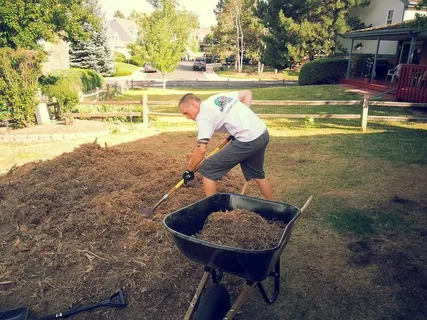
After a backyard makeover, the new beds may look complete while branches, old sod, and broken edging still crowd the driveway. J&S Hauling and Junk Removal can be part of the final cleanup plan when a property owner wants the work area cleared without disturbing fresh planting. The timing matters because loose debris can block access, hide sharp scraps, and make it harder to judge the finished design. That is why landscaping debris removal should be planned as a separate step before the tools leave the property.
Key Takeaways
-
Sort green waste, soil, lumber, stone, and household trash before loading.
-
Keep heavy materials away from new plants, irrigation lines, and soft ground.
-
Check local disposal rules because yard waste and construction debris may follow different paths.
-
Schedule hauling after the main work is finished but before the yard becomes difficult to access.
Why Cleanup Is Part of the Makeover
A backyard project often creates more waste than expected. Trimming can leave branches and roots, while bed preparation may produce sod, rocks, soil, and old mulch. A new patio or walkway can also leave broken pavers, packaging, cut pieces of edging, and small scraps that do not belong in regular household bins.
The cleanup is not only about making the property look neat. Loose material can cover drainage paths, scratch a new surface, or sit on top of young plants. Nails, wire, and broken plastic can also remain hidden in a pile after larger pieces have been removed. A slow final walk-through helps identify these items before the space is used.
Timing has a practical effect as well. If debris stays beside a planting bed for several days, rain may make cardboard heavy, soil may spread across the pavement, and branches may become harder to move. If removal happens too early, the crew may need a second load after the last fence panel, shrub, or retaining wall is installed. The best time is usually after major work ends and before final watering, mulching, and furniture placement.
Sort Materials Before They Move
Understanding different ways to get rid of tree branches helps property owners choose the right disposal method and avoid mixing materials that may have separate handling rules. Green waste may include branches, leaves, weeds, sod, and untreated plant material. Clean soil, stone, and mulch may be reusable on the same property, while treated lumber, plastic bags, and damaged tools may need another disposal option.
A simple example is a replaced garden border. The soil behind it may be useful for a low spot, but cracked concrete edging should not be buried in the bed. Separating those materials at the start saves time and keeps reusable material from being loaded with trash.
A Simple Sorting Plan
-
Place branches, leaves, weeds, and sod in one area for green waste handling.
-
Keep clean soil, mulch, gravel, and usable stone separate for possible reuse.
-
Put lumber, plastic, metal, and broken edging into distinct piles when possible.
-
Set aside paint, fuel, chemicals, batteries, and treated materials for proper disposal.
The size and weight of the load also affect the choice of removal method. A few bags of leaves may fit a municipal collection program, but a large root ball, several tree limbs, or a pile of pavers may need a vehicle suited for bulky material. Heavy debris should not be placed on weak trailers or carried across soft ground without a plan.
Property owners should also consider whether any material can stay on site. Chipped branches may work as temporary mulch if they are clean and appropriate for the planting area. Extra soil may help level a low section, but soil from a diseased plant bed or a location with invasive weeds should not be spread without careful thought. Reuse is helpful only when it will not create a new maintenance problem.
Plan Access, Timing, and Local Disposal
Access is one of the most overlooked parts of local landscaping cleanup. A truck or trailer may need to reach the debris, yet a narrow gate, parked car, low branch, or freshly seeded lawn can make that route difficult. Before pickup, property owners should measure the gate opening, note overhead limits, and identify a firm place where a vehicle can stop without damaging the driveway edge.
The load should be placed where it is easy to reach but not where it can harm the finished yard. Branches can be stacked on a tarp near the driveway, while small items can go into sturdy containers. Heavy stone should remain on a stable surface. It should not be piled against a fence, shed, retaining wall, or newly planted tree.
Local disposal choices may vary. Some communities accept leaves and branches through scheduled collection, while others direct residents to a transfer station, compost site, or private facility. Construction materials, soil, and treated wood may be excluded from green waste programs. Checking those rules before loading helps prevent a rejected drop-off or a second trip.
A property owner deciding between personal hauling and professional removal should consider more than the size of the pile. They should think about the number of trips, the weight of the materials, the distance to an approved facility, and the time needed to load and unload. If the project includes dense roots, wet soil, concrete, or long branches, the work may be harder than the pile first appears.
Before the Load Leaves the Yard
-
Confirm what materials the chosen facility accepts before combining the load.
-
Keep a clear path from the debris pile to the vehicle or driveway.
-
Protect new grass and planting beds with boards or a different route when needed.
-
Take a final look for irrigation tubing, hand tools, wire, and small sharp pieces.
A written list can make the final decision easier. It may include the material types, approximate pile size, access limits, and preferred pickup date. Clear details help a hauler or disposal site explain what can be handled and what must be separated.
Avoid Common Cleanup Mistakes
Many cleanup problems begin with an assumption that all yard waste is the same. Branches, soil, sod, stone, and old landscape fabric may look like one pile, but they can have different disposal requirements.yard waste removal may be useful for plant material, yet it may not include concrete, treated lumber, or household rubbish. Asking about exclusions before the work begins prevents confusion.
Another mistake is placing debris directly on a new lawn or planting bed. Wet ground can develop ruts under repeated foot traffic or vehicle movement. Fresh mulch can also be scattered by a rushed loading process. A temporary staging area on the driveway, a tarp, or a firm side path usually causes less disruption.
Property owners sometimes leave small leftovers because they seem harmless. A short length of wire, a broken stake, or a handful of plastic tags can become a problem during mowing or weeding. The final cleanup should include the edges of the work area, the space beneath shrubs, and any place where soil was moved.
Mistakes Worth Avoiding
-
Mixing hazardous products with branches, soil, or ordinary household waste.
-
Underestimating the weight of wet sod, roots, stone, and compacted soil.
-
Blocking gates, utility access, drainage points, or neighboring driveways.
-
Loading reusable materials before deciding whether they can help elsewhere on the property.
It is also wise to avoid burning yard debris unless local rules clearly allow it and safe conditions exist. Smoke, wind, nearby structures, and dry vegetation can create serious concerns. Chipping, composting, approved collection, or facility drop-off may be more suitable choices, depending on the material and local requirements.
The final inspection should happen in daylight. Property owners can walk the edge of each bed, look under shrubs, check the driveway and drains, and confirm that no equipment was left behind. This small step often catches the items that a quick view from the patio misses.
Choosing the Right Next Step
The right removal plan depends on the type of debris, not just the visible volume. A large pile of dry branches may be light and easy to stack, while a smaller pile of wet soil or broken pavers can be much heavier. The property layout matters too. A backyard with no vehicle access may require hand carrying, smaller loads, or a different staging point.
Before arranging help, property owners should ask what materials are accepted, whether loading is included, how access will be handled, and whether separate piles are needed. They should also mention gates, stairs, steep slopes, delicate plants, and any narrow route to the street. These details allow the removal plan to match the actual property rather than a general estimate.
A clear pickup window is especially helpful after a major renovation. The landscape designer or installer may still need room for final soil work, irrigation adjustments, or planting. Removal should be coordinated so the debris does not return after the yard has been cleaned. Once the area is clear, the owner can finish watering, mulching, and placing outdoor furniture with less risk of moving debris again.
Frequently Asked Questions
What Counts as Landscaping Debris After a Backyard Project?
Common items include branches, leaves, weeds, sod, roots, soil, mulch, stone, broken edging, old landscape fabric, and leftover packaging. The exact list depends on the work completed and local disposal rules.
Can Old Soil and Mulch Be Reused?
They may be reusable if they are clean, free of invasive weeds, and suitable for the new planting plan. Soil from a diseased bed or soil mixed with construction waste should be evaluated before it is spread elsewhere.
How Should New Plants Be Protected During Cleanup?
Debris should be staged away from stems and root zones. Workers should use established paths when possible and avoid dragging branches across beds. Boards or mats may help protect soft ground from repeated foot traffic.
Does Yard Waste Go in the Same Place as Concrete?
Usually, not always. Yard waste may go to a compost or green waste facility, while concrete, pavers, and other heavy materials may require a separate site. Local facilities can confirm their current acceptance rules.
When Should Debris Be Removed During a Makeover?
Removal is often easiest after demolition and installation work are complete but before final planting, mulch, and furniture placement. If several work stages remain, smaller scheduled removals may keep the site safer and more usable.
What Details Should Be Shared Before Scheduling Removal?
The property owner should describe the material types, approximate amount, access route, gate size, surface conditions, and preferred date. They should also mention heavy items, hazardous products, delicate plants, or materials that must remain on site.
A Cleaner Finish for the New Yard
A backyard makeover is not finished when the last plant goes into the ground. It is finished when the remaining materials have been sorted, removed, reused, or sent to the right facility, and the property can be used safely. Careful staging, clear access, and a final walk-through help protect the new landscape while reducing extra trips and unexpected work.
Plan the Final Cleanup
Before the final planting is considered complete, property owners can list what remains, check local disposal rules, and decide whether the volume fits a personal vehicle. A clear access path and a planned pickup window can prevent damage to new beds and reduce last-minute sorting. They can request a written estimate when needed, ask how green waste and heavy materials are handled, and schedule removal once the yard is safe to enter.
 Portuguese
 English
 Arabic
 French
 Spanish
 Deutsch
 Turkish
 Dutch
 Italiano
 Russian
 Romaian
 Portuguese (Brazil)
 Greek