


Shipment Consolidation in Multi-Modal Logistics: Improving B2B Distribution Efficiency in India
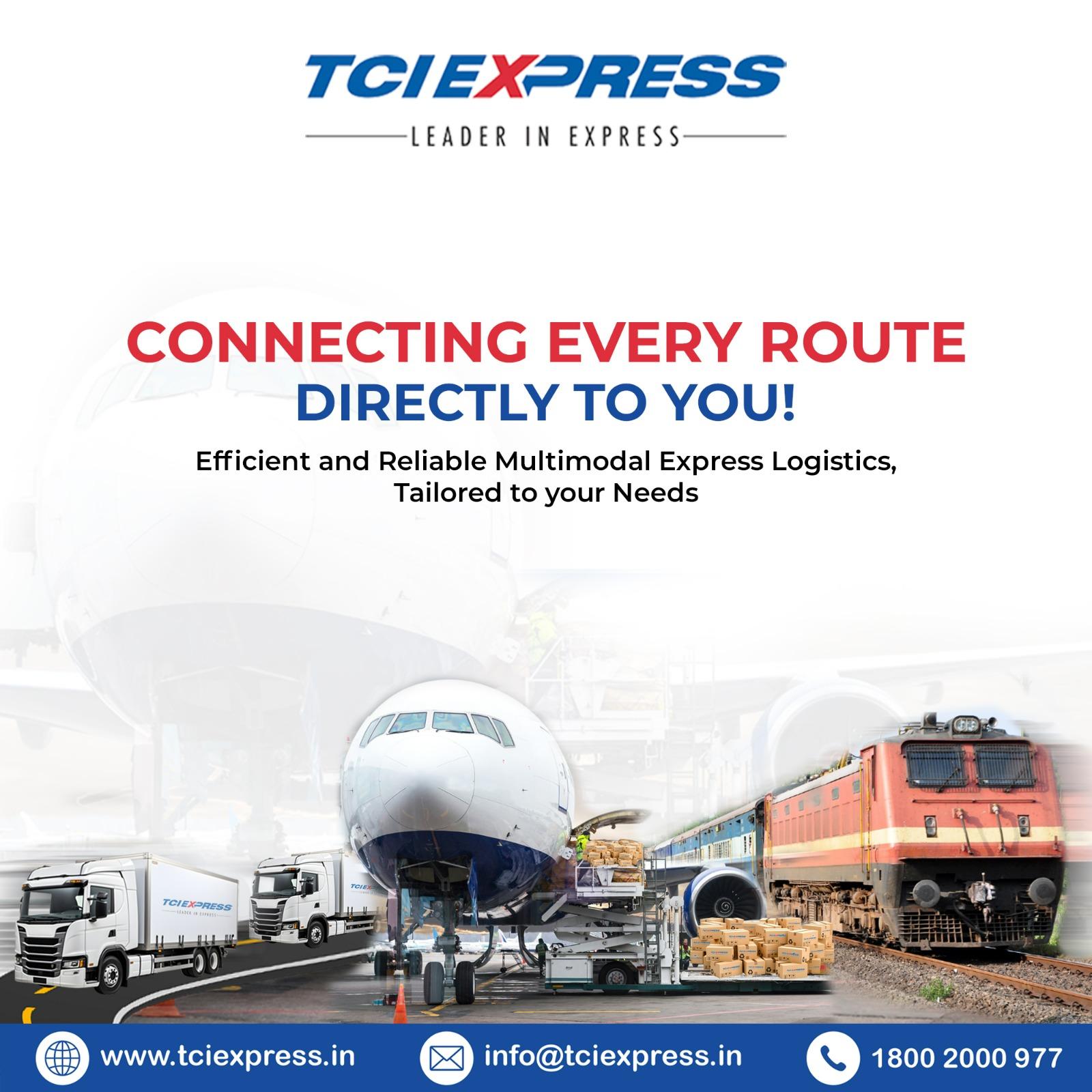
For businesses managing multiple suppliers, warehouses and customer locations, moving goods efficiently is not simply about choosing the fastest transport option. It is also about planning shipment volumes, coordinating dispatch schedules and selecting the right transportation combination. This is where shipment consolidation becomes an important part of B2B logistics services.
In India's expanding supply chain ecosystem, businesses often handle consignments of different sizes, delivery priorities and destination requirements. Sending every shipment independently can increase handling complexity and make distribution planning difficult. A structured approach to consolidation, supported by road, rail and air transportation, can help businesses organise cargo movement more effectively.
As an express logistics company, TCI Express supports business distribution through a range of express transportation services designed for different shipment requirements.
What Is Shipment Consolidation in Multi-Modal Logistics?
Shipment consolidation is the process of combining compatible consignments for transportation to improve vehicle utilisation and streamline cargo movement.
For example, a business supplying products to several distributors across a region may have multiple smaller consignments ready for dispatch. Instead of treating every consignment as an entirely separate movement, logistics teams can plan shipments according to destination, delivery timelines and handling requirements.
When combined with multi-modal transportation, consolidation planning can involve:
-
Road transportation for regional collection and distribution.
-
Rail transportation for suitable longer-distance cargo movement.
-
Air transportation for time-sensitive consignments.
-
Coordinated first-mile and last-mile delivery.
-
Shipment tracking and delivery-status updates.
The objective is to create a practical balance between transit time, cargo requirements and distribution efficiency.
Why Consolidation Matters for B2B Distribution
1. Better utilisation of transportation capacity
Businesses that regularly dispatch smaller consignments may struggle to utilise available transportation capacity efficiently. Consolidation can help group compatible shipments and improve the planning of available space.
This is particularly relevant for companies managing recurring dispatches across multiple destinations.
Explore Surface Express services for road-based distribution requirements.
2. More organised warehouse dispatches
Warehouse teams often handle goods from different suppliers, product categories and customer orders. Without structured dispatch planning, shipments may remain pending or leave at irregular intervals.
A planned consolidation process can help logistics teams organise consignments by destination, dispatch priority and delivery requirements. This can support smoother coordination between warehouse operations and transportation partners.
3. Better alignment between delivery urgency and transport mode
Not every shipment requires air transportation, and not every consignment can follow a longer road or rail schedule.
A multi-modal approach allows businesses to consider the urgency and characteristics of each shipment before selecting a suitable transportation option.
For time-sensitive domestic consignments, businesses can explore Domestic Air Express. For suitable longer-distance movements, Rail Express can form part of the distribution plan.
4. Improved coordination across distribution networks
When shipments move through multiple locations, coordination becomes essential. Dispatch teams need visibility into collection, transit, sorting and final delivery activities.
Technology-enabled shipment management can help businesses monitor movement and respond to exceptions more effectively.
TCI Express provides shipment tracking to help customers follow consignment progress.
How to Build an Effective Multi-Modal Consolidation Strategy
An effective strategy begins with understanding the movement requirements of the business rather than selecting a transport mode first.
Step 1: Analyse shipment patterns
Review shipment volumes, dispatch frequency, destination clusters and seasonal variations. This helps identify opportunities to group compatible consignments.
Step 2: Classify shipments by priority
Separate urgent consignments from routine movements. Delivery commitments, product sensitivity and customer requirements should influence transportation decisions.
Step 3: Select suitable transportation modes
Evaluate road, rail and air options based on route suitability, transit requirements and shipment characteristics. The right combination may differ across destinations.
Step 4: Coordinate collection and distribution
First-mile collection, sorting, inter-city movement and last-mile delivery should be planned as connected activities. Poor coordination at any stage can affect the overall delivery schedule.
Step 5: Monitor shipment movement
Tracking and operational reporting help businesses identify delays, monitor shipment status and improve future dispatch planning.
Businesses can also review the wider range of express logistics services available through TCI Express.
The Role of Different TCI Express Services
A consolidated distribution strategy may require different services depending on cargo type, destination and delivery expectations.
-
Surface Express: Suitable for road-based B2B distribution across a broad network of locations.
-
Domestic Air Express: Designed for time-sensitive domestic shipment requirements.
-
Rail Express: An option for suitable rail-based cargo movements.
-
International Air Express: Supports international shipment requirements.
-
Cold Chain Express: Provides temperature-controlled transportation solutions for relevant cargo.
-
E-Commerce Express: Supports distribution requirements associated with e-commerce businesses.
-
C2C Express: Addresses customer-to-customer shipment requirements.
For businesses seeking time-definite delivery commitments, the Money Back Guarantee programme is also worth reviewing, subject to its applicable terms and shipment eligibility.
Technology and Visibility in Consolidated Shipments
Consolidation can make transportation planning more organised, but it also increases the importance of shipment-level visibility. When multiple consignments are moving together through a distribution network, businesses need reliable information about individual shipment status.
Digital tracking, operational reporting and customer communication can support this requirement. Logistics teams can use shipment information to monitor progress, identify exceptions and coordinate with relevant stakeholders.
Businesses evaluating logistics performance can also consider factors such as dispatch accuracy, transit consistency, delivery updates and exception resolution.
For additional perspectives on supply chain and logistics developments, visit TCI Express Insights.
Conclusion: Making B2B Distribution More Structured
Shipment consolidation is not simply about combining cargo. It involves understanding shipment patterns, coordinating dispatches and choosing transportation modes according to business priorities.
When supported by suitable road, rail and air services, consolidation can help businesses improve transportation planning and manage distribution networks more systematically.
With its range of express logistics services, TCI Express supports businesses looking to organise domestic and international cargo movement around their operational requirements.
Businesses can explore TCI Express services or submit a business enquiry to discuss their logistics requirements.
Frequently Asked Questions
1. What is shipment consolidation in logistics?
Shipment consolidation involves combining compatible consignments for transportation, often based on destination, dispatch schedule or delivery requirements. It can help organise cargo movement and utilise transportation capacity more effectively.
2. How does multi-modal logistics support shipment consolidation?
Multi-modal logistics combines transportation modes such as road, rail and air. Businesses can select suitable modes for different stages of a shipment's journey based on urgency, route and cargo requirements.
3. Is shipment consolidation suitable for B2B logistics?
Yes. It can be useful for businesses managing recurring dispatches, multiple delivery destinations and shipments of varying sizes. The approach should account for delivery commitments and cargo compatibility.
4. When should a business choose air express over surface transportation?
Air express may be appropriate when delivery urgency is a priority and the shipment is suitable for air movement. Surface transportation may be more appropriate for other routes and shipment requirements.
5. Why is shipment tracking important in consolidated distribution?
Tracking helps businesses monitor individual consignments, review shipment progress and identify potential delivery exceptions, even when multiple shipments are part of a broader distribution plan.
6. How can businesses enquire about TCI Express logistics services?
Businesses can visit the TCI Express website or use the business enquiry page to share their transportation and distribution requirements.
 Deutsch
 English
 Arabic
 French
 Spanish
 Portuguese
 Turkish
 Dutch
 Italiano
 Russian
 Romaian
 Portuguese (Brazil)
 Greek