


Erectile Dysfunction Treatment
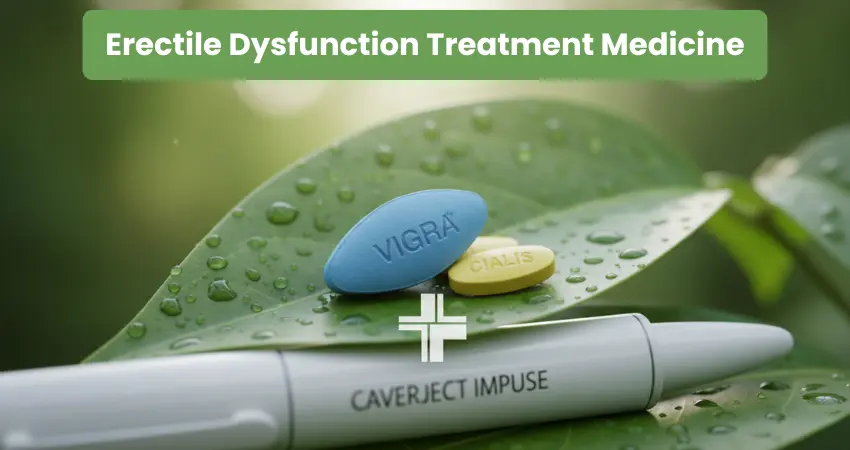
Erectile dysfunction (ED) is one of the most common men's sexual health concerns. It refers to the inability to achieve or maintain an erection firm enough for satisfactory sexual activity. Although occasional erection difficulties can happen to almost any man, persistent problems may indicate an underlying physical, hormonal, or psychological condition that requires medical attention.
Erectile dysfunction can affect men of different ages. While it becomes more common with increasing age, younger men can also experience it because of stress, anxiety, diabetes, obesity, hormonal imbalances, smoking, and other health-related factors.
The condition can affect more than physical intimacy. It may reduce self-confidence, create relationship difficulties, increase emotional stress, and negatively influence overall quality of life. Unfortunately, many men hesitate to seek professional assistance because of embarrassment or misconceptions about sexual health.
The good news is that erectile dysfunction is treatable, and several effective medical options are available. Depending on the cause and severity, treatment may include prescription medications, lifestyle modifications, low-intensity shockwave therapy, injectable medications, vacuum erection devices, psychological counselling, or surgical procedures.
At Dot Clinics, men can explore professional guidance and treatment options for erectile dysfunction and other men's health concerns. The clinic offers services including ED treatment and shockwave therapy.
This article provides a detailed overview of erectile dysfunction, including its causes, symptoms, diagnosis, treatment methods, potential benefits, precautions, and frequently asked questions.
What Is Erectile Dysfunction?
Erectile dysfunction is a sexual health condition characterized by persistent difficulty achieving or maintaining an erection sufficient for satisfactory sexual intercourse.
A normal erection involves a coordinated process between the brain, nerves, hormones, and blood vessels. During sexual stimulation, signals from the brain activate nerves that cause the smooth muscles inside penile blood vessels to relax. This allows more blood to enter the erectile tissues, making the penis firm.
The veins are then compressed to help maintain the erection.
When any part of this process is disrupted, erectile dysfunction may develop.
For example, damaged blood vessels can reduce blood flow, nerve disorders can interfere with the signals required for an erection, and psychological stress can affect sexual responses.
ED is not necessarily a normal or unavoidable consequence of aging. Men experiencing persistent erection difficulties should consider medical evaluation because the condition may be associated with other health problems.
Understanding How an Erection Occurs
To understand erectile dysfunction treatment, it is helpful to understand the normal erection process.
An erection generally involves four important stages:
-
Sexual stimulation: The brain receives sexual signals and activates the nervous system.
-
Nerve activation: Signals travel through the nerves to the penile tissues.
-
Increased blood circulation: Blood vessels relax, allowing increased blood flow into the erectile chambers.
-
Maintaining the erection: Blood becomes temporarily trapped within the erectile tissues, helping the penis remain firm.
Problems affecting these stages may cause erectile dysfunction.
Treatment aims to improve the underlying problem and support the body's ability to achieve and maintain an erection.
Common Signs and Symptoms of Erectile Dysfunction
Erectile dysfunction can develop gradually or appear suddenly. Symptoms differ from one individual to another depending on the underlying cause.
The most common signs include:
1. Difficulty Getting an Erection
A man may experience sexual desire and stimulation but struggle to achieve sufficient penile firmness.
This may happen occasionally or during most sexual encounters.
2. Difficulty Maintaining an Erection
Some men can initially achieve an erection but lose firmness before or during sexual intercourse.
This can make satisfactory sexual activity difficult.
3. Reduced Erection Quality
An erection may occur but may not be sufficiently firm for penetration or comfortable sexual activity.
4. Reduced Sexual Confidence
Repeated erection difficulties may create fear of sexual failure, anxiety, and reduced self-esteem.
5. Sexual Performance Anxiety
Men experiencing ED may become increasingly worried about their ability to perform sexually. This anxiety can further contribute to erection problems.
6. Reduced Sexual Satisfaction
Persistent erectile difficulties may affect intimacy and create emotional or relationship-related challenges.
It is important to distinguish erectile dysfunction from premature ejaculation, low libido, and other sexual health conditions because each requires a different evaluation and treatment approach.
Major Causes of Erectile Dysfunction
Erectile dysfunction can result from several physical and psychological factors. In many cases, more than one cause contributes to the problem.
1. Poor Blood Circulation
Healthy blood circulation is essential for normal erectile function.
Conditions that narrow or damage blood vessels can reduce the amount of blood reaching the penis.
Common contributing conditions include:
-
Atherosclerosis.
-
High blood pressure.
-
Cardiovascular disease.
-
High cholesterol.
-
Peripheral vascular disease.
Vascular-related erectile dysfunction is particularly important because it can sometimes appear before other noticeable cardiovascular symptoms.
2. Diabetes
Diabetes is a significant risk factor for erectile dysfunction.
High blood glucose levels can gradually damage blood vessels and nerves responsible for normal sexual function.
Diabetes may contribute to:
-
Reduced penile blood circulation.
-
Nerve damage.
-
Hormonal changes.
-
Difficulty maintaining erections.
Men with diabetes may develop erectile dysfunction earlier than men without diabetes.
Proper diabetes management and regular medical monitoring are important for reducing complications.
3. High Blood Pressure
Hypertension can damage arteries and interfere with normal blood circulation.
Since erections depend on healthy blood vessels, uncontrolled blood pressure may contribute to erectile dysfunction.
Some blood pressure medications can also cause sexual side effects. Patients should discuss these concerns with their doctors rather than stopping prescribed medicines independently.
4. Low Testosterone Levels
Testosterone is an important male hormone associated with sexual desire, reproductive function, and general well-being.
Low testosterone may contribute to:
-
Reduced sexual desire.
-
Fatigue.
-
Decreased energy.
-
Reduced sexual interest.
-
Erectile difficulties in some men.
However, low testosterone is not responsible for every case of erectile dysfunction.
Doctors may recommend blood testing when symptoms suggest a hormonal problem.
5. Psychological Stress and Anxiety
Mental health has a major influence on sexual performance.
Psychological causes of ED may include:
-
Work-related stress.
-
Financial pressure.
-
Relationship difficulties.
-
Performance anxiety.
-
Depression.
-
Emotional distress.
-
Fear of sexual failure.
Psychological erectile dysfunction can occur even when the physical structures involved in erections are functioning normally.
Counselling, stress management, and psychological treatment may help when emotional factors contribute to symptoms.
6. Obesity
Excess body weight can increase the risk of diabetes, hypertension, cardiovascular disease, and hormonal disturbances.
These conditions can negatively affect erectile function.
Maintaining a healthy weight through physical activity and balanced nutrition may improve overall sexual health.
7. Smoking
Smoking damages blood vessels and reduces vascular health.
It can contribute to poor circulation, which may interfere with the blood flow needed for normal erections.
Quitting smoking is an important step toward improving cardiovascular and sexual health.
8. Excessive Alcohol Consumption
Heavy alcohol consumption can interfere with nervous system function, hormone regulation, and sexual performance.
Reducing excessive alcohol intake may help improve sexual health and general well-being.
9. Certain Medications
Some medications may contribute to erectile difficulties.
These include certain:
-
Antidepressants.
-
Blood pressure medicines.
-
Antipsychotic medications.
-
Hormonal treatments.
-
Medicines affecting the nervous system.
If ED begins after starting a new medication, discuss the timing and symptoms with your doctor.
10. Neurological Disorders
The nervous system controls many of the signals involved in achieving an erection.
Conditions such as multiple sclerosis, Parkinson's disease, spinal cord injuries, and diabetic neuropathy can interfere with these signals.
In such cases, treatment depends on the nature and severity of the neurological problem.
Different Types of Erectile Dysfunction
Understanding the type of erectile dysfunction can help determine the most suitable treatment.
Organic Erectile Dysfunction
Organic ED is caused by physical abnormalities involving blood vessels, nerves, hormones, or penile structures.
Psychogenic Erectile Dysfunction
Psychogenic ED is primarily associated with psychological factors such as stress, anxiety, depression, or relationship difficulties.
Mixed Erectile Dysfunction
Mixed ED occurs when physical and psychological factors contribute simultaneously.
For example, a man with diabetes may initially experience reduced erectile function because of vascular damage. Repeated erection difficulties may then create performance anxiety, making the condition more challenging.
How Is Erectile Dysfunction Diagnosed?
An accurate diagnosis is essential before beginning treatment.
A qualified healthcare professional evaluates the patient's symptoms, medical history, lifestyle, and general health.
Medical History and Consultation
The doctor may ask questions about:
-
When the symptoms started.
-
Whether the problem occurs occasionally or regularly.
-
The ability to achieve and maintain an erection.
-
Morning or nighttime erections.
-
Sexual desire.
-
Existing medical conditions.
-
Current medications.
-
Smoking and alcohol consumption.
-
Psychological stress.
-
Previous treatment attempts.
These questions help identify possible causes and guide further investigations.
Physical Examination
A physical examination may include assessment of:
-
Blood pressure.
-
Body weight.
-
General cardiovascular health.
-
Genital anatomy.
-
Signs of hormonal or neurological abnormalities.
The examination depends on the patient's symptoms and medical history.
Laboratory Testing
Blood tests may help identify underlying conditions contributing to erectile dysfunction.
Common investigations include:
|
Test |
Purpose |
|---|---|
|
Blood glucose |
Checks blood sugar levels |
|
HbA1c |
Evaluates average blood sugar |
|
Lipid profile |
Assesses cholesterol levels |
|
Testosterone |
Evaluates possible testosterone deficiency |
|
Thyroid tests |
Investigates suspected thyroid problems |
|
Additional hormone tests |
Evaluates selected hormonal conditions |
Penile Doppler Ultrasound
A penile Doppler ultrasound may be recommended when a doctor needs to evaluate blood circulation within the penis.
It can help identify certain arterial blood-flow problems and abnormalities in the mechanisms responsible for maintaining an erection.
Not every patient requires this investigation.
Modern Erectile Dysfunction Treatment Options
Treatment should be selected according to the patient's medical condition, underlying causes, treatment history, and preferences.
The following are some of the main treatment options available.
1. Oral Medication
Oral medications are commonly prescribed for men experiencing erectile dysfunction.
The most frequently used medicines belong to a class called phosphodiesterase type 5 inhibitors.
These medications improve the natural erectile response by enhancing blood flow to penile tissues during sexual stimulation.
Common examples include:
-
Sildenafil.
-
Tadalafil.
-
Vardenafil.
-
Avanafil.
Benefits of Oral Medication
-
Convenient administration.
-
Non-invasive treatment.
-
Effective for many men.
-
Different medication options are available.
-
Can improve the ability to achieve and maintain an erection.
Possible Side Effects
Some patients may experience:
-
Headaches.
-
Facial flushing.
-
Indigestion.
-
Nasal congestion.
-
Dizziness.
-
Visual disturbances.
These medications must not be combined with nitrate medicines because the combination can cause a dangerous drop in blood pressure.
Men with heart disease or other significant medical conditions should consult a doctor before using ED medication.
2. Low-Intensity Shockwave Therapy
Low-intensity extracorporeal shockwave therapy, commonly called Li-ESWT, is a non-invasive treatment approach used in selected men with erectile dysfunction.
It involves applying controlled acoustic waves to specific areas of penile tissue.
The treatment has been investigated for its potential to support blood vessel-related biological processes and improve local circulation.
How Does Shockwave Therapy Work?
A specialized device delivers low-intensity acoustic waves through an applicator.
The proposed biological effects include:
-
Stimulating tissue responses.
-
Supporting processes associated with blood vessel function.
-
Potentially improving local circulation.
-
Encouraging tissue repair-related responses.
Clinical research suggests that some men with vascular-related ED may experience improvements. However, the quality of evidence varies, and treatment is not universally recommended or guaranteed to work.
Potential Advantages
-
Non-surgical approach.
-
No surgical incision.
-
Usually performed without general anaesthesia.
-
Generally involves short outpatient sessions.
-
May be considered for selected patients with vascular-related ED.
Who May Benefit?
Men with mild or moderate vascular-related erectile dysfunction may be considered after medical evaluation.
The treatment may be less suitable for men with severe neurological problems, extensive vascular damage, or other causes requiring different medical interventions.
Patients should discuss the expected benefits, costs, number of sessions, and scientific limitations before treatment.
3. P-Shot Therapy
P-Shot therapy, also known as the Priapus Shot, is a procedure involving platelet-rich plasma derived from the patient's own blood.
Platelets contain growth factors that are being studied for their potential involvement in tissue repair and regeneration.
How Is the P-Shot Procedure Performed?
The general procedure involves:
-
Collecting a small blood sample.
-
Processing the sample using a centrifuge.
-
Separating the platelet-rich plasma.
-
Preparing the treatment area.
-
Applying local anaesthesia when appropriate.
-
Administering PRP injections into selected penile tissues.
Potential Benefits
P-Shot therapy is promoted for its potential tissue-related effects, but its effectiveness for erectile dysfunction has not been established through sufficiently strong clinical evidence.
It should therefore be considered an investigational or emerging approach rather than a proven standard treatment.
Possible risks include pain, bruising, swelling, and infection.
Patients should receive clear information about uncertain outcomes and established alternatives.
4. Injectable Medication
Injectable ED medications may be recommended for men who do not respond adequately to oral medicines or cannot use them.
Alprostadil is a commonly used medication for this purpose.
It works by relaxing smooth muscles within the penis and increasing blood flow.
Potential Benefits
-
Can be effective when oral medicines are unsuitable or ineffective.
-
May work in men with certain neurological conditions.
-
Provides an alternative to oral medication.
Possible Risks
-
Penile discomfort.
-
Bruising.
-
Bleeding.
-
Fibrosis or scar tissue.
-
Prolonged erection.
The correct dose must be determined by a healthcare professional. An erection lasting longer than four hours requires emergency treatment.
5. Vacuum Erection Devices
Vacuum erection devices are mechanical treatment options that help draw blood into the penis.
The device generally consists of a cylinder, a pump, and a constriction ring.
How Does It Work?
-
The penis is placed inside the cylinder.
-
The pump creates negative pressure.
-
Blood is drawn into the penile erectile tissues.
-
A constriction ring is placed at the base of the penis to help maintain the erection.
These devices may be helpful for men who prefer non-drug treatments or cannot take certain ED medications.
6. Testosterone Replacement Therapy
Testosterone replacement therapy may be recommended for men with confirmed testosterone deficiency and relevant symptoms.
Depending on medical assessment, treatment may involve injections, gels, or other approved formulations.
It is not appropriate for every man with erectile dysfunction.
Before treatment, doctors should evaluate testosterone levels, discuss fertility implications, and assess potential risks.
7. Penile Implant Surgery
Penile implant surgery is an established treatment for selected men with severe erectile dysfunction who have not achieved satisfactory results with less invasive options.
Two common types are:
Inflatable Implants
These devices contain cylinders placed inside the penis, a fluid reservoir, and a pump. The pump allows the patient to create an erection when required.
Malleable Implants
These implants contain flexible rods that can be manually positioned for sexual activity.
Penile implants can provide reliable mechanical erections, but surgery involves risks such as infection, device malfunction, and possible revision surgery.
A detailed consultation with an experienced urologist is necessary before choosing this option.
Erectile Dysfunction Treatment at Dot Clinics
Men experiencing erectile dysfunction may benefit from professional consultation to understand the possible causes and available treatment approaches.
Dot Clinics provides men's health services in Lahore and Multan, Pakistan, including erectile dysfunction treatment and shockwave therapy.
The clinic's approach to men's health focuses on discussing individual concerns and identifying suitable treatment options based on medical assessment.
1. Professional Consultation
An initial consultation helps patients discuss erection difficulties in a private medical setting.
Important aspects may include:
-
Understanding the patient's symptoms.
-
Reviewing medical history.
-
Identifying possible risk factors.
-
Discussing previous treatments.
-
Considering appropriate diagnostic investigations.
-
Explaining available treatment options.
2. Shockwave Therapy
Shockwave therapy is among the men's health services offered by Dot Clinics.
It may be considered for selected patients with vascular-related erectile dysfunction.
Before treatment, patients should understand that scientific evidence remains variable and improvement is not guaranteed.
3. P-Shot Therapy
Dot Clinics also offers P-Shot therapy as a men's health procedure.
The treatment uses platelet-rich plasma prepared from the patient's blood.
Patients should discuss its investigational status, possible risks, and realistic expectations with a qualified healthcare professional.
4. Individualized Treatment Guidance
Every patient has different health conditions and treatment requirements.
A personalized consultation can help determine whether oral medication, specialized procedures, lifestyle changes, or referral for further medical assessment is appropriate.
Dot Clinics Lahore: Erectile Dysfunction Treatment
Men living in Lahore can contact Dot Clinics for information about erectile dysfunction treatment and other men's health services.
Clinic Details
-
Location: 85-R1, Johar Town, Phase 2, Lahore, Pakistan.
-
ED Contact Number: 0329-0011336.
-
General Timings: Monday to Saturday, 12 PM to 8 PM.
-
Sunday: Closed.
Patients should confirm appointment availability before visiting.
Dot Clinics Multan: Erectile Dysfunction Treatment
Dot Clinics also serves patients in Multan who are seeking guidance about erectile dysfunction and related men's health concerns.
Clinic Details
-
Location: 2nd Floor, Ali Imran Center, Main Abdali Road, Near Medicare Hospital, Multan, Pakistan.
-
ED Contact Number: 0327-0011335.
-
General Timings: Monday to Saturday, 12 PM to 8 PM.
-
Sunday: Closed.
Patients can contact the clinic to ask about consultation availability and treatment services.
Natural Ways to Improve Erectile Function
Medical treatment is important for many men with erectile dysfunction, but lifestyle modifications can also contribute to better sexual health.
These changes are especially useful for individuals whose ED is associated with cardiovascular risk factors, obesity, diabetes, or an inactive lifestyle.
Exercise Regularly
Regular physical activity supports blood circulation and cardiovascular health.
Suitable activities may include:
-
Walking.
-
Jogging.
-
Cycling.
-
Swimming.
-
Strength training.
Adults are generally encouraged to achieve at least 150 minutes of moderate-intensity aerobic exercise per week, depending on their health and physical abilities.
Maintain a Healthy Diet
A balanced diet supports healthy blood vessels and metabolic function.
Recommended food choices include:
-
Green leafy vegetables.
-
Fresh fruits.
-
Whole grains.
-
Nuts.
-
Seeds.
-
Fish.
-
Healthy sources of protein.
Reducing excessive sugar, highly processed foods, and unhealthy fats may also benefit cardiovascular health.
Maintain a Healthy Weight
Weight management can help reduce the risk of diabetes, hypertension, and other metabolic conditions associated with erectile dysfunction.
Quit Smoking
Smoking damages blood vessels and can contribute to reduced penile blood circulation.
Stopping smoking can improve overall vascular health.
Reduce Alcohol Consumption
Excessive alcohol consumption may interfere with sexual function.
Limiting alcohol can support better general and reproductive health.
Improve Sleep Quality
Poor sleep can affect energy, mood, hormonal regulation, and general well-being.
Maintaining a consistent sleep routine may help improve overall health.
Manage Psychological Stress
Stress management is important because anxiety can interfere with sexual performance.
Relaxation exercises, counselling, and open communication with a partner may help reduce psychological pressure.
Erectile Dysfunction and Mental Health
Erectile dysfunction is not only a physical condition. It can also affect emotional and psychological well-being.
Men experiencing repeated erection difficulties may develop feelings of embarrassment, frustration, anxiety, or reduced self-esteem.
These emotions can sometimes create a cycle:
-
A man experiences difficulty achieving an erection.
-
He becomes worried about future sexual performance.
-
Anxiety increases during intimacy.
-
Sexual performance becomes more difficult.
-
The repeated experience increases anxiety further.
Psychological counselling or sex therapy can help break this cycle.
Couples counselling may also be beneficial when relationship stress contributes to the problem.
In many cases, a combination of physical treatment and psychological support produces a more comprehensive approach.
How Long Does Erectile Dysfunction Treatment Take?
The treatment timeline depends on the selected method and the underlying cause.
|
Treatment option |
Typical response or timeline |
|---|---|
|
Sildenafil |
Approximately 30–60 minutes |
|
Tadalafil |
Approximately 30–60 minutes |
|
Vacuum erection device |
During use |
|
Alprostadil injection |
Often 5–20 minutes |
|
Shockwave therapy |
Potential improvements, if any, may take several weeks |
|
Lifestyle modifications |
Usually require consistent long-term changes |
|
Penile implant |
Recovery and healing are required before use |
These are general estimates. Individual results vary, and no treatment should be expected to produce identical outcomes in every patient.
Benefits of Proper Erectile Dysfunction Treatment
Seeking appropriate medical care can improve several aspects of men's health.
Improved Erectile Function: Treatment may help men achieve and maintain erections more effectively.
Increased Confidence: Managing erection difficulties may reduce anxiety and improve sexual confidence.
Better Intimacy: Effective treatment can help reduce intimacy-related stress and support healthier relationships.
Early Identification of Medical Conditions: An ED assessment may reveal diabetes, hypertension, cardiovascular problems, or hormonal abnormalities.
Improved Quality of Life: Managing symptoms may improve emotional well-being, sexual satisfaction, and overall confidence.
Risks and Side Effects of Erectile Dysfunction Treatments
Every medical treatment has potential risks, and patients should understand them before proceeding.
|
Treatment |
Possible side effects |
|---|---|
|
Oral ED medication |
Headache, flushing, indigestion, dizziness |
|
Shockwave therapy |
Temporary discomfort, redness, bruising |
|
P-Shot |
Pain, swelling, bruising, infection |
|
Injectable medication |
Penile pain, bruising, prolonged erection |
|
Vacuum devices |
Numbness, discomfort, bruising |
|
Testosterone therapy |
Acne, increased red blood cell count, fertility effects |
|
Penile implant |
Infection, mechanical failure, surgical complications |
A qualified healthcare professional should explain which risks are relevant to each patient.
How to Choose the Right Erectile Dysfunction Treatment
Selecting the appropriate treatment requires careful evaluation.
The following factors should be considered:
1. Cause of Erectile Dysfunction
The doctor should investigate whether the problem is related to blood circulation, diabetes, hormonal abnormalities, psychological factors, medication side effects, or nerve damage.
2. Severity of Symptoms
Occasional erection difficulties may require a different approach from persistent or severe erectile dysfunction.
3. General Medical Condition
Heart disease, diabetes, hypertension, and other conditions can influence treatment safety.
4. Previous Treatment Response
Doctors may consider which treatments have already been attempted and whether they were effective.
5. Patient Preferences
Patients should have an opportunity to discuss their expectations, concerns, and preferences.
6. Medical Evidence and Safety
Treatment decisions should be based on established clinical evidence rather than exaggerated advertising claims.
Can Erectile Dysfunction Be Prevented?
Not all cases of erectile dysfunction can be prevented, but certain lifestyle changes can lower the risk.
Recommended preventive measures include:
-
Exercising regularly.
-
Maintaining a healthy weight.
-
Eating a balanced diet.
-
Avoiding smoking.
-
Limiting alcohol.
-
Managing diabetes.
-
Controlling blood pressure.
-
Maintaining healthy cholesterol levels.
-
Getting sufficient sleep.
-
Managing stress.
-
Seeking medical attention for persistent symptoms.
Taking care of cardiovascular health is particularly important because healthy blood circulation is essential for normal erectile function.
Frequently Asked Questions (FAQs)
1. What is erectile dysfunction treatment?
Erectile dysfunction treatment refers to medical and lifestyle approaches that help men overcome difficulties achieving or maintaining an erection. Options include oral medications, lifestyle changes, counselling, injectable medications, vacuum devices, selected shockwave procedures, and penile implants.
2. What is the most effective treatment for erectile dysfunction?
PDE5 inhibitor medications, such as sildenafil and tadalafil, are effective first-line treatments for many men. However, the best treatment depends on the underlying cause, medical history, and individual response.
3. Can erectile dysfunction be cured permanently?
Some men experience long-term improvement when the underlying cause is successfully treated. Others require ongoing management. Permanent recovery cannot be guaranteed in every case.
4. Can young men experience erectile dysfunction?
Yes. Younger men can develop ED because of stress, performance anxiety, depression, diabetes, obesity, smoking, medication effects, and other medical conditions.
5. Does diabetes cause erectile dysfunction?
Yes. Diabetes can damage blood vessels and nerves involved in erections. Proper blood glucose management may help reduce complications and improve overall health.
6. Is shockwave therapy effective for ED?
Low-intensity shockwave therapy may improve erectile function in some men with vascular-related ED. However, clinical evidence is variable, and it is not a guaranteed or universally established treatment.
7. What is P-Shot therapy?
P-Shot therapy is a PRP-based procedure that uses platelet-rich plasma obtained from the patient's blood. It is being investigated for erectile dysfunction, but strong clinical evidence supporting its effectiveness is still lacking.
8. Can erectile dysfunction be treated without surgery?
Yes. Many men can manage ED without surgery through medication, lifestyle changes, counselling, vacuum erection devices, or injectable medication.
9. Does masturbation cause erectile dysfunction?
There is no good scientific evidence that normal masturbation causes persistent erectile dysfunction. However, anxiety, psychological concerns, and certain sexual habits may influence an individual's sexual experiences.
10. Can stress cause erection problems?
Yes. Stress and anxiety can interfere with the brain and nervous system processes involved in sexual arousal and erection.
11. Does erectile dysfunction mean a man has low testosterone?
No. Many men with erectile dysfunction have normal testosterone levels. Hormone testing may be appropriate when symptoms suggest testosterone deficiency.
12. How can I improve erectile function naturally?
Regular exercise, healthy eating, weight management, smoking cessation, adequate sleep, and controlling diabetes and blood pressure may help improve erectile function.
13. When should I seek medical help?
You should consult a doctor if erection difficulties occur repeatedly, persist, cause distress, or affect your sexual relationships. An evaluation is also important because ED may indicate an underlying cardiovascular or metabolic condition.
14. Where can I get erectile dysfunction treatment in Lahore?
Dot Clinics provides men's health services in Lahore at 85-R1, Johar Town, Phase 2, Lahore, Pakistan. For ED-related enquiries, contact 0329-0011336.
15. Where can I get erectile dysfunction treatment in Multan?
You can contact Dot Clinics at 2nd Floor, Ali Imran Center, Main Abdali Road, near Medicare Hospital, Multan, Pakistan. The ED contact number is 0327-0011335.
16. Is erectile dysfunction related to premature ejaculation?
No. Erectile dysfunction involves difficulty achieving or maintaining an erection, whereas premature ejaculation involves ejaculating earlier than desired. Both conditions can occur together but require different treatment approaches.
17. Can high blood pressure affect erections?
Yes. High blood pressure can damage blood vessels and reduce circulation, potentially affecting the blood supply required for erections.
18. Are erectile dysfunction medications safe for everyone?
No. Some medications are unsuitable for men taking nitrates or certain other medicines. A doctor should evaluate medical history and potential drug interactions before prescribing treatment.
Conclusion
Erectile dysfunction is a common men's health condition that can affect physical intimacy, emotional well-being, confidence, and relationships. It may develop because of poor blood circulation, diabetes, hormonal problems, psychological stress, medication side effects, and unhealthy lifestyle habits.
Fortunately, several treatment options are available. Oral medications, lifestyle modifications, injectable treatments, vacuum erection devices, and selected specialized procedures can help men manage the condition. Penile implant surgery is another option for certain men with severe erectile dysfunction.
The most important step is to identify the underlying cause instead of relying on unverified medicines or attempting self-treatment.
Dot Clinics offers erectile dysfunction treatment and men's health services in Lahore and Multan, Pakistan. Men experiencing persistent erection difficulties can seek professional guidance to understand their condition and explore appropriate treatment options.
With timely medical evaluation, evidence-based treatment, and healthy lifestyle changes, many men can achieve meaningful improvements in erectile function and quality of life.
Medical References
For additional medical information, readers can consult the following established resources:
Disclaimer: This article is intended for educational purposes only and does not replace professional medical advice, diagnosis, or treatment. Patients should consult a qualified healthcare professional before starting medication or undergoing any erectile dysfunction procedure.
 Deutsch
 English
 Arabic
 French
 Spanish
 Portuguese
 Turkish
 Dutch
 Italiano
 Russian
 Romaian
 Portuguese (Brazil)
 Greek