


Anxiety Treatment in Houston TX: Understanding Your Care Options
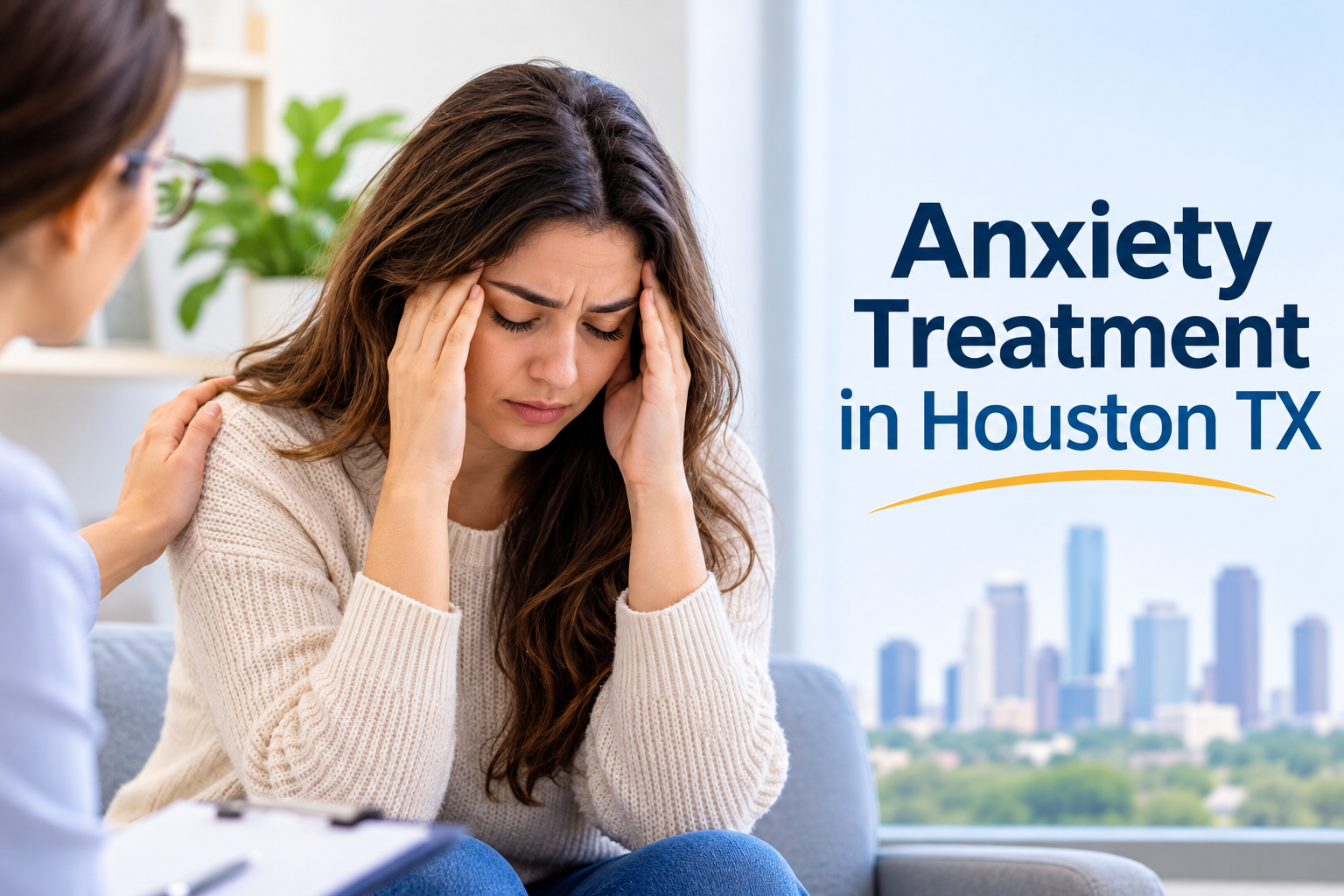
How Can Professional Support Help You Manage Anxiety?
Anxiety can affect almost every part of daily life. It may make ordinary responsibilities feel stressful, interrupt your sleep, affect your relationships, or make it difficult to concentrate at work. While occasional worry is a normal response to life's challenges, persistent anxiety that feels difficult to control deserves attention.
Seeking anxiety treatment in Houston TX can help you understand what you are experiencing and explore appropriate ways to manage your symptoms. With professional support, people can learn to respond to anxious thoughts, develop healthier coping strategies, and improve their everyday functioning.
The important thing to remember is that anxiety is not a personal weakness. It is a mental health concern that can be evaluated and treated with an approach suited to each individual's needs.
What Is Anxiety, and When Does It Become a Concern?
Anxiety is the body's natural response to stress, uncertainty, or a perceived threat. It can help you prepare for an important meeting, handle a difficult situation, or stay alert when something feels unsafe.
However, anxiety may become a concern when worry or fear is excessive, persistent, difficult to control, or begins interfering with everyday activities.
For example, someone may regularly worry about work deadlines even when there is enough time to complete tasks. Another person may avoid social gatherings because they fear being judged. When these feelings become overwhelming or start limiting daily life, a professional evaluation may be helpful.
According to the National Institute of Mental Health (NIMH), anxiety disorders involve more than occasional worry or fear. Symptoms may continue across different situations and can interfere with work, relationships, and routine activities.
What Are the Common Signs and Symptoms of Anxiety?
Anxiety can affect people emotionally, mentally, physically, and behaviorally. Symptoms are not identical for everyone, and their intensity can vary.
Emotional and Psychological Symptoms
Some common emotional and psychological signs include:
-
Persistent worrying about everyday situations
-
Feeling nervous, restless, or constantly on edge
-
Difficulty controlling anxious thoughts
-
Fear of embarrassment, failure, or being judged
-
Trouble concentrating or making decisions
-
Irritability and becoming easily overwhelmed
-
Constantly expecting something bad to happen
-
Difficulty relaxing, even during quiet moments
Physical and Behavioral Symptoms
Anxiety can also trigger physical reactions because the body's stress-response system becomes activated. These may include:
-
Rapid heartbeat or noticeable heart palpitations
-
Sweating, trembling, or shaking
-
Muscle tension and headaches
-
Dizziness or lightheadedness
-
Stomach discomfort or nausea
-
Shortness of breath
-
Difficulty falling asleep or staying asleep
-
Avoiding certain places, activities, or social situations
Some physical symptoms can also have medical causes. If symptoms are new, severe, or concerning, speak with a healthcare professional rather than automatically assuming they are caused by anxiety.
What Types of Anxiety Disorders May Require Treatment?
Anxiety is not one single condition. Different anxiety disorders have different symptoms, triggers, and treatment needs. A professional evaluation can help identify the nature of the problem.
Generalized Anxiety Disorder (GAD)
Generalized anxiety disorder involves excessive worry about several areas of life, such as health, finances, work, family, or everyday responsibilities. People with GAD may struggle to control their worries and experience restlessness, fatigue, muscle tension, and sleep difficulties.
Panic Disorder
Panic disorder involves repeated and unexpected panic attacks. During an attack, a person may experience intense fear, a racing heartbeat, sweating, dizziness, trembling, or shortness of breath. Fear of experiencing another attack can sometimes lead people to avoid particular places or situations.
Social Anxiety Disorder
Social anxiety disorder involves an intense fear of social situations where a person may feel observed, judged, or embarrassed. It can make everyday activities such as meeting new people, speaking in public, attending events, or participating in workplace discussions difficult.
Specific Phobias
A specific phobia involves an intense fear of a particular object or situation, such as heights, flying, certain animals, or medical procedures. The fear may lead to avoidance even when the actual danger is limited.
Postpartum Anxiety
Postpartum anxiety can develop during pregnancy or after childbirth. It may involve persistent worries about a baby's health and safety, intrusive thoughts, restlessness, or difficulty sleeping. When these concerns become overwhelming or interfere with daily life, professional support may help.
What Are the Available Options for Anxiety Treatment in Houston TX?
The right treatment depends on the individual's symptoms, diagnosis, medical history, preferences, and response to previous care. Professional anxiety treatment in Houston TX may involve psychotherapy, medication management, or a combination of approaches.
Psychotherapy and Counseling
Psychotherapy, also called talk therapy, helps people understand and manage their thoughts, emotions, and behaviors. It provides a structured setting to explore anxiety triggers and develop practical coping strategies.
One commonly used approach is Cognitive Behavioral Therapy (CBT). It helps individuals recognize unhelpful thought patterns and understand how those thoughts influence feelings and actions.
For example, someone who constantly expects the worst before a work presentation may learn to examine those assumptions and develop a more balanced response.
Other approaches, including exposure-based techniques and acceptance-based strategies, may also be considered depending on the anxiety disorder and the person's needs. A qualified mental health professional can help determine which approach is appropriate.
Psychiatric Medication Management
Medication may be recommended for some individuals, depending on their symptoms and clinical circumstances. Certain antidepressants, including selective serotonin reuptake inhibitors (SSRIs) and serotonin-norepinephrine reuptake inhibitors (SNRIs), are commonly used to treat some anxiety disorders.
Other medications may be appropriate in specific situations. However, medication choice should always be individualized because different treatments have different benefits, possible side effects, and risks.
A psychiatric provider can review your medical history, current medications, symptoms, and treatment goals before making recommendations. Ongoing monitoring helps assess how well a medication is working and whether any adjustments are needed.
Combining Therapy and Medication
Some people benefit from both psychotherapy and medication. Medication may help manage symptoms, while therapy can help address thought patterns, avoidance behaviors, and responses to stressful situations.
The combination is not necessary for everyone. A treatment plan should be based on an individual's clinical needs rather than a one-size-fits-all approach.
The NIMH explains that anxiety treatment commonly involves psychotherapy, medication, or both, depending on the person's circumstances. Read its guidance on anxiety disorders.
How Can You Support Your Mental Well-Being Between Appointments?
Professional treatment is important, but everyday habits can also support mental well-being. These habits are not replacements for clinical care, but they may complement an appropriate treatment plan.
Consider these practical steps:
-
Maintain a regular sleep schedule: Try to go to bed and wake up at consistent times.
-
Stay physically active: Walking or other enjoyable physical activities can support general well-being.
-
Monitor caffeine intake: Notice whether coffee, energy drinks, or other caffeinated products make your anxiety feel worse.
-
Practice relaxation techniques: Slow breathing, mindfulness, and meditation may help you manage moments of stress.
-
Stay connected: Talking with trusted friends or family members can reduce feelings of isolation.
-
Follow your treatment plan: Attend appointments and discuss concerns with your provider instead of changing medication on your own.
Small, consistent changes can make daily routines more manageable. Your provider can also help you identify habits that may support your individual treatment goals.
Where Can You Find Personalized Anxiety Care in Houston?
Finding the right mental health provider is an important step toward managing anxiety. Look for a qualified professional who listens to your concerns, explains treatment options clearly, and considers your personal circumstances.
Raha Behavioral Health provides psychiatric care, therapy, and medication management in Houston. Its services include support for anxiety-related concerns, with care options that may include in-person appointments in Houston and virtual appointments for eligible patients in Texas.
The process starts with understanding your symptoms, personal history, and treatment goals. Based on your needs, the care team can discuss appropriate options and help you understand the next steps.
You can learn more about anxiety treatment in Houston TX and the available care options by visiting the Raha Behavioral Health website.
Frequently Asked Questions
1. When should I seek professional help for anxiety?
Consider seeking professional help when anxiety becomes difficult to control, continues over time, affects your sleep, or interferes with work, relationships, and everyday responsibilities. A professional evaluation can help clarify what you are experiencing.
2. Can anxiety be treated without medication?
Yes. Some people benefit from psychotherapy and other non-medication approaches. Cognitive Behavioral Therapy (CBT), for example, can help people recognize unhelpful thought patterns and develop healthier responses. The right approach depends on the individual's needs.
3. How long does anxiety treatment take?
There is no single timeline for everyone. Progress depends on the type of anxiety, symptom severity, treatment approach, and individual response. Some people notice improvements over time, while others need longer-term support.
4. Can anxiety cause physical symptoms?
Yes. Anxiety can be associated with physical symptoms such as a racing heartbeat, sweating, muscle tension, dizziness, stomach discomfort, and sleep problems. However, persistent or unusual physical symptoms should be evaluated by a healthcare professional.
5. Is telehealth available for anxiety treatment in Houston?
Raha Behavioral Health offers virtual care for eligible patients in Texas. Whether telehealth is suitable depends on your location, clinical needs, and appointment requirements. Contact the practice to confirm available options.
6. Can anxiety return after treatment?
Anxiety symptoms can return during stressful periods, but this does not mean treatment has failed. Continuing healthy coping strategies, attending follow-up appointments when needed, and discussing changes in symptoms with a provider can help you manage future challenges.
Take a Positive Step Toward Managing Anxiety
Living with persistent anxiety can be exhausting, especially when it begins affecting relationships, work, sleep, and everyday decisions. But you do not have to figure everything out alone.
Understanding your symptoms and exploring professional support can be a meaningful first step. With an individualized approach, appropriate treatment, and consistent care, many people learn to manage anxiety more effectively.
If you are exploring anxiety treatment in Houston TX, visit Raha Behavioral Health to learn more about its psychiatric and mental health services and take the next step toward support.

 Arabic
 French
 Spanish
 Portuguese
 Deutsch
 Turkish
 Dutch
 Italiano
 Russian
 Romaian
 Portuguese (Brazil)
 Greek