


Fire Damage Cleanup Services: A Complete Restoration Guide
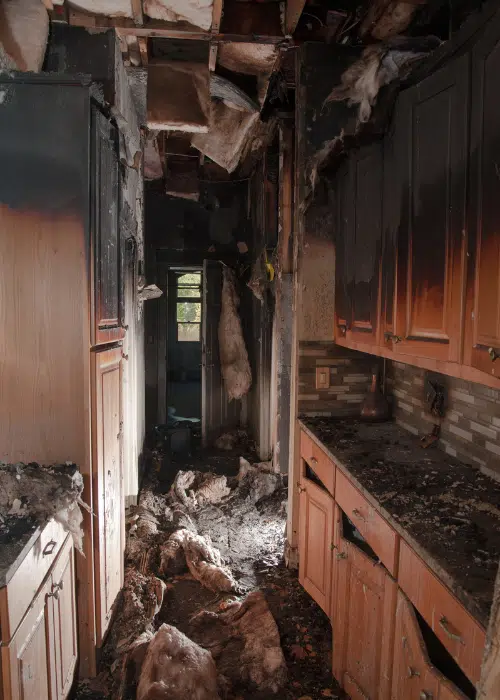
A fire can leave behind extensive damage that affects more than the areas touched by flames. Smoke, soot, heat, and water used during firefighting can damage walls, ceilings, furniture, flooring, and personal belongings. Even after a fire is extinguished, harmful residue and moisture may remain inside the property. Professional fire damage cleanup services help address these problems and prepare the building for repairs and restoration.
Common Types of Fire Damage
Fire damage can affect different materials and areas throughout a building. Direct flame exposure may burn furniture, damage walls, weaken structural components, and destroy personal belongings.
Smoke can travel through rooms and ventilation systems, leaving odors and residue on surfaces far from the original fire. Soot may settle on ceilings, carpets, appliances, electronics, and furniture. Depending on the materials burned, it can leave different types of residue that require specialized cleaning methods.
Water damage is another common concern. Firefighters often use large amounts of water to control flames, which can soak flooring, drywall, insulation, and other building materials. These areas may require water extraction and structural drying in addition to fire cleanup.
Signs Your Property Needs Professional Fire Cleanup
Some fire damage is immediately visible, including burned materials, broken windows, and damaged walls. However, smoke and soot can affect areas that appear untouched.
Persistent smoke odors, dark residue, discoloration, and stains on walls or ceilings may indicate that professional cleaning is necessary. You may also notice damp flooring, peeling paint, or water stains following firefighting efforts.
Smoke residue should not be ignored because it can remain on surfaces and belongings even after visible debris has been removed. A professional inspection helps identify the full extent of the damage.
Why Professional Fire Damage Cleanup Services Matter
Cleaning a fire-damaged property requires more than ordinary household cleaning. Different types of soot and smoke residue may need different treatment methods. Using unsuitable cleaning products or techniques can spread residue or cause additional damage to affected materials.
Professional fire damage cleanup services use appropriate equipment and procedures to address contaminated surfaces, remove debris, and manage smoke odors. Restoration professionals can also evaluate which belongings and building materials may be cleaned and which require replacement.
A structured cleanup process helps prepare the property for necessary repairs and reduces the risk of overlooking hidden damage.
Steps Involved in Fire Damage Cleanup
The cleanup process begins with a safety assessment and inspection. The property should not be entered until the fire department or other qualified authorities have confirmed that it is safe. Restoration professionals then evaluate the affected areas and identify damage caused by flames, smoke, soot, and water.
The next step may involve securing the building. Broken windows, damaged doors, and openings in the roof may need temporary protection to prevent further exposure to weather or unauthorized entry.
After the initial assessment, debris and unsalvageable materials can be removed. Professionals then clean affected surfaces using methods suitable for the type of soot and material involved.
Smoke odor treatment may also be necessary to address lingering smells in walls, furniture, carpets, and other materials. If water was used during firefighting, extraction and drying equipment can help remove excess moisture.
Finally, the property is evaluated for repairs and reconstruction. This may include replacing drywall, flooring, insulation, damaged fixtures, and other building components.
Fire and Smoke Cleanup for Homes and Businesses
Residential properties may require cleanup in kitchens, bedrooms, living rooms, garages, and other affected areas. Furniture, clothing, electronics, and personal belongings may also need specialized cleaning or restoration.
Commercial buildings can face additional challenges when fires affect offices, equipment, inventory, storage areas, and customer spaces. Businesses may need coordinated cleanup and repair work before normal operations can resume.
The appropriate restoration plan depends on the extent of the damage, the materials affected, and the condition of the building.
How to Choose Reliable Fire Damage Cleanup Services
Choosing an experienced restoration provider is an important part of recovering after a fire. Look for a company with experience handling fire, smoke, soot, and related water damage.
Ask about its inspection process, cleaning methods, odor treatment, and handling of personal belongings. Review customer feedback and verify relevant business and insurance information.
It is also helpful to request a written estimate that explains the recommended cleanup and restoration work. If you are filing an insurance claim, document visible damage from a safe location and contact your insurance provider to understand the required procedures.
How to Reduce Future Fire Damage Risks
Although not every fire can be prevented, regular maintenance and safety practices can reduce certain risks. Keep smoke alarms working, inspect electrical connections, and avoid overloading electrical outlets.
Store flammable materials properly and keep heating equipment away from combustible items. Maintain kitchen appliances and never leave cooking unattended.
It is also important to keep fire extinguishers accessible and make sure household members understand basic fire safety procedures.
Conclusion
Fire can damage a property through flames, smoke, soot, and water used during firefighting. Professional fire damage cleanup services help remove debris, clean affected surfaces, address smoke odors, and prepare the building for repairs. Whether the damage affects a home or commercial property, a proper inspection and organized restoration process can make recovery more manageable and help protect the remaining structure and belongings.
 French
 English
 Arabic
 Spanish
 Portuguese
 Deutsch
 Turkish
 Dutch
 Italiano
 Russian
 Romaian
 Portuguese (Brazil)
 Greek