


Why Corporate Event Design Matters for Guest Engagement
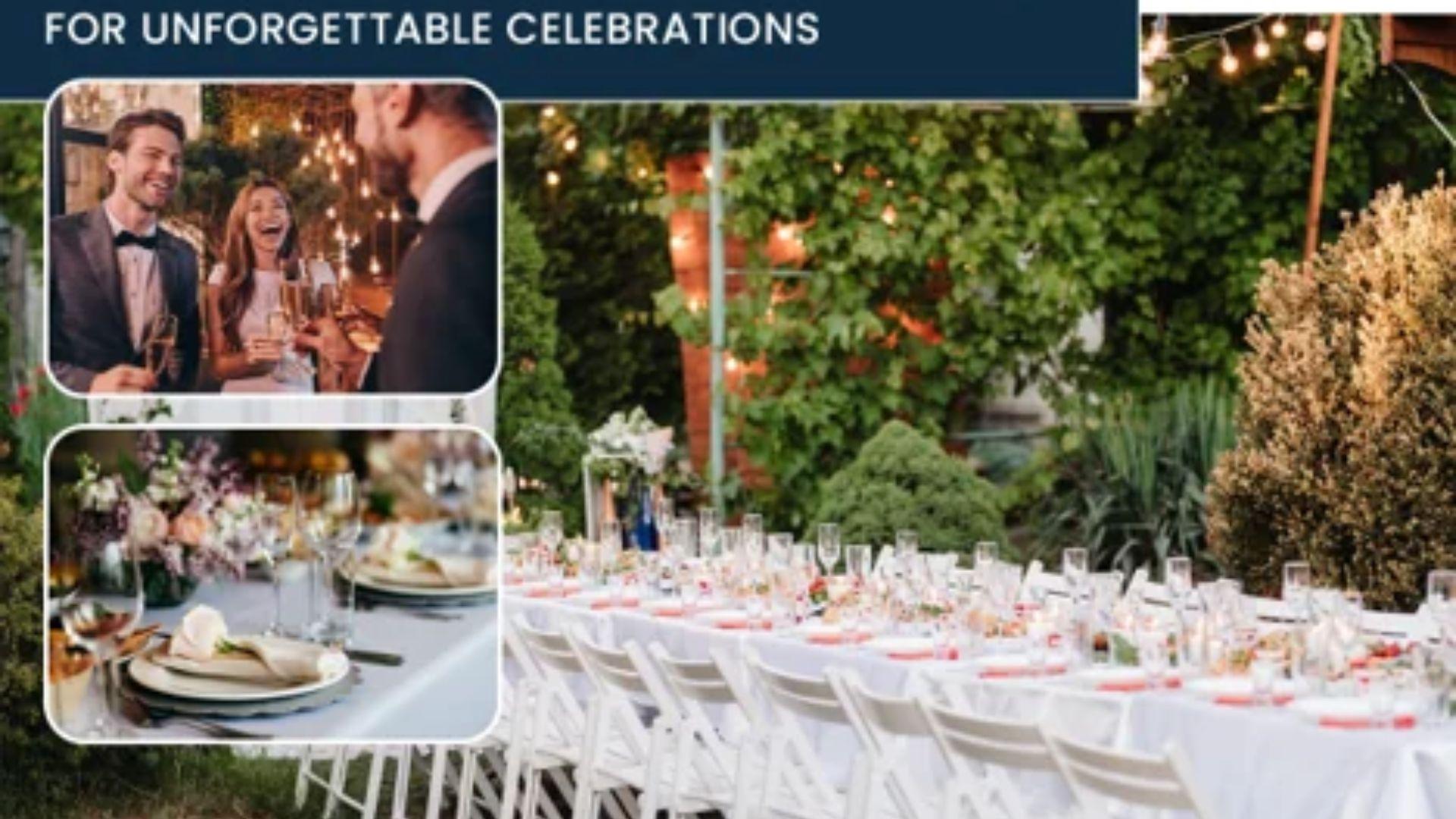
You have probably sat through this one. The agenda is full, the speakers are decent, the budget was not small, and yet half the room is on their phones while the other half hovers near the exit. Nobody connects, and the event is forgotten by Monday. The problem is rarely the content. It is usually the design. Seating, lighting, pacing, and flow decide whether people lean in or check out.
Working with an event planner for corporate events that Clive companies can count on, or one of the event coordinator companies Des Moines teams often hire, helps you treat design as part of your strategy instead of a last-minute decoration.
Design Shapes How People Behave
A room tells guests what to do before anyone speaks. Rows of chairs say sit and listen. Open clusters say talk to each other.
Decide what you want people to do first, then build the space around it.
Start With the Layout
Layout controls conversation. A crowded entrance creates a bottleneck, while a dead corner becomes a hiding spot.
● Keep walkways wide enough for people to stop and chat
● Place food and drinks away from the entrance to spread the crowd
● Mix seated and standing areas so guests can choose
Use Light and Sound on Purpose
Harsh overhead lighting makes a networking hour feel like a waiting room. Warm, layered lighting makes people linger.
Sound matters just as much. Music should sit under conversation, not fight it. If guests are shouting to be heard, they will leave early.
Pay Attention to Pacing
Even a beautiful room fails if the schedule drags. Long stretches of presentations wear people down.
Try this rhythm:
● Short sessions of twenty to thirty minutes
● Breaks that give guests real time to talk
● One memorable moment near the middle, not just at the end
Add Small Touches People Remember
Big budgets are not required. A thoughtful welcome, a clear signage system, or a seating plan that places new faces together does more than an expensive centerpiece.
Guests notice when someone considered their experience. They may not name what you did, but they will remember how the day felt.
Keep Branding Natural
Logos on every surface can feel heavy. Choose a few places where your brand shows up well, such as the stage backdrop, printed materials, and a signature drink or snack.
Let color and tone carry the rest. The goal is for guests to feel your company, not be reminded of it constantly.
Check What Worked Afterward
Design improves when you review it. Ask a few simple questions in a follow-up note.
● Where did people gather most?
● Which session held attention?
● What felt confusing or crowded?
Photos and staff feedback add useful detail. Keep notes for your next event so good ideas carry forward.
Final Thoughts
Strong design does not mean extra spending. It means making choices on purpose, from layout and lighting to pacing and small details, so guests want to stay, talk, and take something away. If you plan to hire an event planner for corporate events Clive businesses recommend, or you are comparing event coordinator companies in Des Moines, ask how they approach design from the start. The answer will tell you a lot about how your guests will feel on the day.

 Arabic
 French
 Spanish
 Portuguese
 Deutsch
 Turkish
 Dutch
 Italiano
 Russian
 Romaian
 Portuguese (Brazil)
 Greek