


Why Responsible Vehicle Disposal Matters for Sydney Car Owners
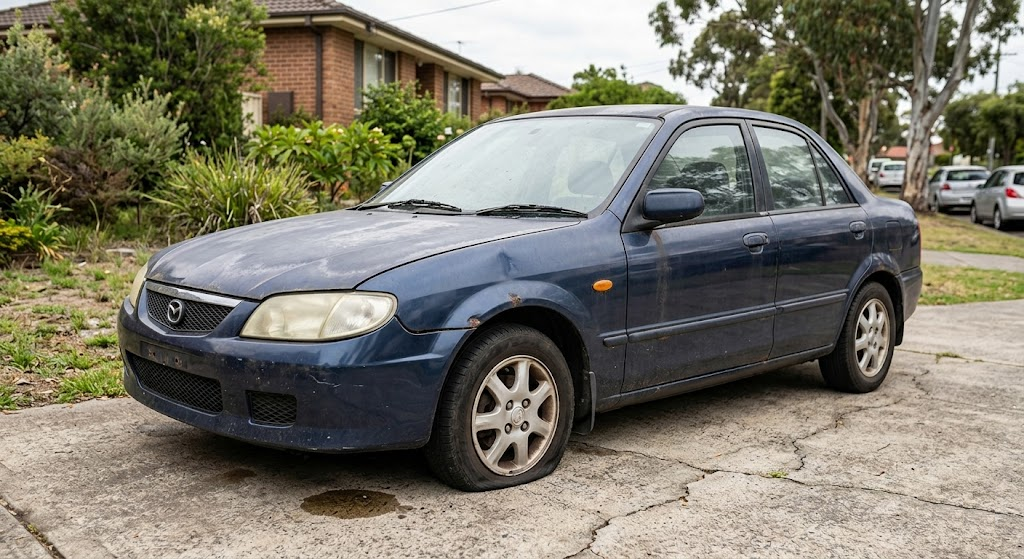
Owning a car comes with responsibilities, from regular servicing and repairs to keeping the vehicle safe for road use. However, there comes a time when a car becomes too old, badly damaged or expensive to maintain. When this happens, deciding what to do with it is just as important as deciding when to stop driving it.
An unwanted vehicle can take up valuable space in a driveway, garage or parking area. It may also contain fluids, batteries, tyres and other materials that need careful handling. Leaving an old car unused for months or disposing of it incorrectly can create problems for property owners and the surrounding environment.
For Sydney car owners, responsible vehicle disposal is a practical way to deal with unwanted vehicles while reducing waste and avoiding unnecessary environmental risks. Understanding how the disposal process works helps people make informed decisions about their old, damaged or unregistered cars.
What Does Responsible Vehicle Disposal Mean?
Responsible vehicle disposal involves removing an unwanted vehicle in a way that considers environmental safety, legal requirements and the possible reuse of its materials.
A car contains more than metal and plastic. It also has engine oil, coolant, brake fluid, fuel, batteries, tyres, glass and electrical components. Some of these materials can cause harm if they are released into the ground, drains or waterways.
Rather than leaving a vehicle abandoned or sending the entire car to general waste, responsible disposal involves separating useful parts, handling hazardous materials correctly and recycling suitable components.
This approach helps reduce unnecessary waste and allows valuable materials to be used again.
Why Is Responsible Car Disposal Important for Sydney Residents?
Sydney has a large number of private vehicles, commercial cars and older models that eventually reach the end of their useful life. Managing these vehicles properly is important for several reasons.
1. It Helps Protect the Local Environment
Old vehicles can contain substances that are harmful when released into the environment. Engine oil, transmission fluid, fuel, coolant and other automotive liquids require proper handling.
For example, a damaged oil sump or leaking fuel line can allow fluids to escape while a vehicle sits on private property. Rainwater may carry these substances towards nearby soil, stormwater drains or waterways.
Proper vehicle dismantling includes draining and storing automotive fluids safely before the vehicle is processed further.
Sydney residents can help reduce environmental risks by choosing an appropriate disposal method rather than leaving an unwanted vehicle exposed to the elements.
2. It Reduces the Amount of Waste Going to Landfill
A vehicle contains many materials that can be recovered and reused. Steel, aluminium, copper, glass and selected plastic components may have value beyond the life of the original car.
When a vehicle reaches the end of its road life, recycling suitable materials reduces the need to produce everything from new resources.
For instance, recovered steel can be processed for use in other manufacturing industries. Aluminium components can also be recycled, while certain mechanical parts may be suitable for reuse after inspection.
Not every component can be recycled or reused, but separating materials gives suitable items another purpose instead of treating the entire vehicle as waste.
3. It Prevents Unwanted Vehicles From Becoming a Safety Risk
An unused car may look harmless when parked in a driveway or backyard. However, damaged vehicles can present several safety concerns.
Broken windows, sharp metal edges, exposed wiring and damaged body panels may cause injuries. Older vehicles can also attract pests or become a concern for children who may try to explore them.
A car with leaking fluids can create slippery surfaces and increase the risk of contamination.
Removing a vehicle that is no longer needed helps keep residential properties in better condition and reduces potential hazards.
4. It Creates More Space on Private Property
An unwanted car can occupy a parking space for months or even years. This becomes inconvenient for households with limited driveway space or multiple vehicles.
Removing an old car can free up room for another vehicle, storage or general household use.
This is particularly relevant for people who have inherited an old vehicle, purchased a replacement car or kept a damaged vehicle after an accident.
Rather than allowing the car to remain unused, owners can explore suitable removal and disposal options.
What Happens to a Car After It Is Removed?
Many vehicle owners wonder where their car goes after collection. The process depends on its condition, age, model and the facilities handling it.
However, responsible vehicle recycling generally involves several stages.
Initial Vehicle Assessment
The vehicle is assessed to determine its condition and identify components that may be suitable for reuse or recycling.
Factors such as accident damage, mechanical problems, missing parts and vehicle age can affect how it is processed.
Removal of Fluids and Hazardous Materials
Before dismantling, automotive fluids and other potentially harmful materials need to be removed and handled according to relevant environmental requirements.
These may include:
-
Engine oil and transmission fluid.
-
Coolant and brake fluid.
-
Fuel remaining in the tank.
-
Batteries and electrical components.
-
Air-conditioning refrigerants.
-
Other materials requiring controlled handling.
Proper management of these substances is an important part of vehicle recycling.
Inspection and Recovery of Reusable Parts
Some vehicles contain parts that remain in working condition even when the car itself is no longer suitable for the road.
Depending on their condition, components such as alternators, starter motors, doors, mirrors, wheels and selected engine parts may be recovered for possible reuse.
Parts intended for resale or reuse need appropriate inspection. Their suitability should not be assumed simply because they have been removed from a vehicle.
Metal Separation and Recycling
Once suitable components and hazardous materials have been separated, the remaining vehicle body can be processed for material recovery.
Metal components are sorted and sent for further processing. Recovered materials can then enter manufacturing and recycling supply chains.
This process helps make better use of the resources already contained in older vehicles.
What Are Your Options for Disposing of an Old or Damaged Car in Sydney?
The right disposal option depends on the vehicle's condition, ownership status and repair costs.
Sell the Vehicle Privately
If the car is still in reasonable working condition, selling it privately may be suitable.
Before advertising, owners can check similar vehicle listings to understand the likely market value. It is also important to prepare the necessary paperwork, describe the vehicle honestly and arrange a safe inspection and payment process.
Private selling may take longer when a car has significant mechanical problems or accident damage.
Trade It In at a Dealership
People purchasing another vehicle may consider trading in their old car.
Dealerships assess the vehicle and may offer a trade-in amount that contributes towards the purchase of another car. The offer depends on the vehicle's age, condition, demand and resale potential.
However, not every dealership accepts vehicles with serious damage or extensive mechanical issues.
Arrange Vehicle Removal
For cars that are no longer roadworthy, heavily damaged or uneconomical to repair, a vehicle removal service may be worth considering.
Owners looking into damaged car removal Sydney can explore options for dealing with vehicles that are no longer suitable for regular road use.
Before arranging collection, ask about the assessment process, any collection charges, payment arrangements and the documents required. Confirm whether the service can collect a vehicle from its current location, particularly if it cannot be driven.
Contact an Authorised Recycling Facility
Some owners prefer to deal directly with a vehicle recycling or dismantling facility.
Before handing over the vehicle, check how the facility manages automotive fluids, batteries, reusable components and scrap materials. It is also worth confirming whether the business can provide the necessary disposal or transfer documentation.
What Should You Check Before Disposing of Your Vehicle?
Getting rid of an old car involves more than arranging transport. A few checks can help prevent paperwork problems and unexpected costs.
Confirm Vehicle Ownership
Make sure you have the legal authority to dispose of the vehicle. If the car belongs to another person, additional documents or permission may be required.
For inherited vehicles, check the relevant estate or ownership paperwork before arranging removal.
Remove Personal Belongings
Check the glovebox, centre console, boot and under the seats. Owners often leave personal documents, sunglasses, tools, garage remotes and other belongings inside older vehicles.
Also remove any toll tags, parking permits and personal items that may remain attached to the car.
Understand Registration Requirements
If the vehicle is registered in NSW, check the current Service NSW requirements for selling or transferring it, cancelling registration and dealing with number plates.
Depending on the circumstances, you may need to lodge a notice of disposal or submit a registration cancellation request.
Do not assume that arranging vehicle collection automatically completes these responsibilities.
Ask About Collection and Payment
Before confirming a collection, ask the service provider:
-
Is there a collection fee?
-
Is payment offered for the vehicle?
-
How and when is payment made?
-
Can the vehicle be collected if it does not start?
-
Are there any additional charges?
-
What paperwork is provided after collection?
Getting clear answers before collection helps avoid misunderstandings.
How Can Sydney Car Owners Make Vehicle Disposal More Environmentally Responsible?
Small decisions can make a difference when dealing with an unwanted vehicle.
First, avoid leaving damaged cars on soil or near stormwater drains if they have leaking fluids. If a leak occurs, seek appropriate assistance rather than attempting to handle unknown automotive chemicals without suitable equipment.
Second, choose a disposal facility that explains its recycling and material-handling practices. Ask whether fluids are drained, batteries are managed properly and reusable parts are separated before the remaining body is processed.
Third, keep ownership and disposal records. These documents can help resolve questions about the vehicle at a later stage.
Finally, consider whether the vehicle can still be repaired safely before deciding to dispose of it. A car with minor mechanical issues may have a different future from one with major structural damage.
Why Proper Vehicle Disposal Is a Shared Responsibility
Responsible vehicle disposal is not only about clearing a driveway or getting rid of an unwanted car. It also involves protecting the surrounding environment, reducing material waste and ensuring that vehicles are handled correctly at the end of their useful life.
Sydney residents can contribute by understanding their disposal options, checking ownership and registration requirements, and choosing a suitable recycling or removal process.
Whether a car has been damaged in an accident, stopped working after years of use or simply become too expensive to maintain, taking the time to arrange its disposal properly can prevent avoidable problems.
An informed decision helps vehicle owners manage their responsibilities while making better use of materials that might otherwise go to waste.
Frequently Asked Questions
1. What is the most environmentally responsible way to dispose of an old car?
A suitable option is to use a vehicle recycling facility that follows appropriate environmental practices. This generally involves safely removing automotive fluids, handling batteries and other hazardous materials, recovering reusable parts and sending suitable metals for recycling.
2. Can I dispose of a car that no longer runs?
Yes. A vehicle does not need to be operational to be considered for removal or recycling. Some removal services collect non-running vehicles using suitable transport equipment. Confirm collection arrangements and any additional charges before booking.
3. What happens to car batteries during the recycling process?
Car batteries require careful handling because they contain materials that can be hazardous if damaged or disposed of incorrectly. They are generally separated from the vehicle and sent through suitable battery recycling or recovery channels.
Owners should avoid removing or dismantling damaged batteries themselves.
4. Do I need to cancel my car registration before disposal in NSW?
The correct process depends on the vehicle's registration status and how it is being disposed of. If the vehicle is registered, check the latest Service NSW instructions about registration cancellation, number plates and any required notices. Keep relevant confirmation records for your own reference.
5. Can I get money for a damaged or scrap car in Sydney?
Possibly. Some vehicle buyers and removal services purchase damaged, unwanted and scrap vehicles. The amount depends on factors such as the make, model, age, condition, usable parts and current scrap metal values. Request an assessment rather than assuming every vehicle has the same value.
6. Is it better to repair an old car or send it for recycling?
Compare the estimated repair cost with the vehicle's current market value and expected future maintenance expenses. Also consider safety, roadworthiness and whether replacement parts are available.
If major repairs cost more than the vehicle is worth, recycling or selling it for removal may be a more practical option.
7. Can I leave an unwanted car parked on my property?
An unwanted car can generally remain on private property, but its condition and location matter. A vehicle leaking fluids, creating a safety risk or attracting pests can cause problems. Local council rules may also apply in certain circumstances. Check the relevant requirements if the vehicle has been sitting unused for a long time.
8. What documents should I prepare before arranging car removal?
You may need proof of ownership, identification and vehicle details. Depending on the circumstances, registration documents and additional authorisation may also be required. Ask the removal service what it needs before collection and check NSW transfer or disposal requirements.
9. Are all parts of an old car recycled?
No. Some materials and components can be recovered, while others may be damaged, contaminated or unsuitable for reuse. The recycling process depends on the vehicle's condition and the capabilities of the facility handling it.
10. What should I do with personal items before my car is collected?
Remove belongings from the glovebox, boot, door pockets and under the seats. Check for important documents, toll tags, garage remotes and personal accessories. Also make sure you have removed any personal number plates or other items that need to be retained under the relevant requirements.
 Spanish
 English
 Arabic
 French
 Portuguese
 Deutsch
 Turkish
 Dutch
 Italiano
 Russian
 Romaian
 Portuguese (Brazil)
 Greek