


Creating a Consistent Look Across a Branded Golf Collection
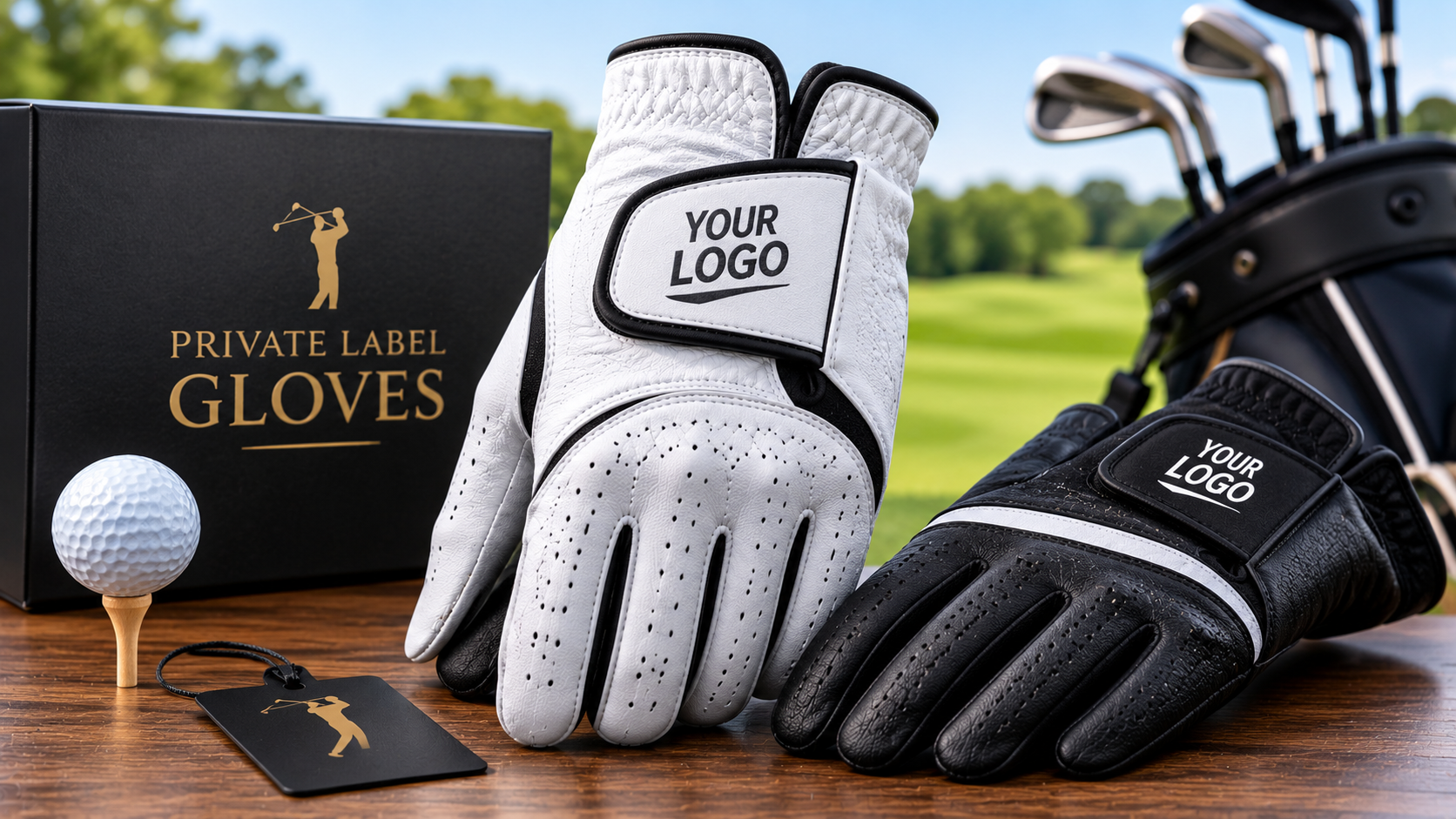
Golf accessories are often selected for their practical value, but appearance also plays an important role in how customers view a product collection. Golfers may want equipment that feels comfortable, performs reliably, and matches their personal style. For retailers and golf brands, creating a consistent visual identity across accessories can make a collection more recognizable and appealing.
Gloves are an important part of this process. They are used regularly and have a direct effect on grip and comfort. A carefully developed range can support a brand's wider identity while giving customers useful choices for different preferences and playing conditions.
Defining the Brand's Visual Direction
Before developing a golf glove collection, a business should decide how it wants its products to be perceived. Some brands focus on a traditional sporting appearance, while others prefer modern designs with distinctive colors and details. Neither direction is automatically better. The important point is to create a clear style that suits the intended audience.
A consistent visual direction can include selected colors, logo placement, stitching patterns, materials, and packaging. These details should work together across the collection. When products share recognizable design features, customers can identify them as part of the same brand even when individual models have different functions.
Retailers should also consider where the products will be sold. A collection designed for an online store may need clear product photography and easy-to-understand variations. Products displayed in a golf shop should be visually organized so customers can compare sizes, colors, and features without confusion.
Choosing Designs for Different Golfers
Not every golfer has the same preferences. Some prioritize a lightweight feel, while others want additional durability or a particular appearance. A brand can respond to these differences by offering a focused selection of models rather than creating too many variations at once.
Working with a private label golf gloves manufacturer can allow a business to develop products under its own brand identity. Available customization may include materials, colors, sizing, logo placement, and packaging. The exact options depend on the supplier, so businesses should discuss requirements and production capabilities before finalizing a design.
A collection might include a simple everyday model, a premium-looking option, and designs in selected colors. Each product should have a clear purpose. This makes the range easier to explain and helps customers choose according to their needs.
Balancing Appearance With Performance
Golf gloves must support a secure grip while allowing natural movement. A visually attractive product will not satisfy customers if it feels uncomfortable or restricts their hands during play. Material selection should therefore remain central to the development process.
Leather, synthetic materials, and blended constructions can offer different characteristics. Some materials provide a soft feel, while others may be selected for flexibility, maintenance, or durability. Retailers should understand the strengths and limitations of each option before choosing a material for a particular model.
Fit is another important consideration. A glove that fits properly should feel secure without creating uncomfortable pressure. Consistent sizing information can help customers make informed decisions, especially when shopping online. Sample testing is useful for checking measurements and identifying areas that may need adjustment.
Creating Consistency Across Product Details
A recognizable collection does not require every glove to look identical. Instead, products can share a few design elements while allowing enough variation to serve different customers.
For example, a brand might use the same logo position and packaging style across all models while changing the colors or material combinations. This creates a visual connection between products without making the range feel repetitive.
Small details also matter. Stitching quality, neat edges, accurate branding, and consistent finishing can influence how customers judge the overall product. Retailers should include these details in their specifications rather than treating them as minor production concerns.
Reviewing Samples Before Production
Sample approval is an essential stage in product development. A business should examine the glove's fit, flexibility, grip, material feel, and finishing before approving a larger order. It should also check whether the colors and branding match the intended design.
Any changes should be documented clearly. This can include measurements, logo dimensions, material details, and packaging requirements. Keeping an approved sample and written specifications provides a useful reference for future orders.
Quality checks should continue during production. Consistency between batches helps protect customer confidence and reduces the chance of receiving products that differ noticeably from the approved design.
Presenting the Collection to Customers
Product presentation can make a well-developed range easier to understand. Clear photographs should show important details, including the palm, back, closure, and overall fit. Descriptions should explain the intended use and relevant material features without making unsupported claims.
Retailers can also organize products by style, material, or customer preference. This helps buyers compare options and makes the collection easier to navigate.
Building a Recognizable Golf Brand
A successful golf collection brings together useful performance, thoughtful design, and consistent presentation. Retailers should begin with a clear identity, select materials carefully, and test products before moving into full production. By maintaining these standards, a business can develop golf accessories that feel connected as a collection while still giving golfers meaningful choices.
 Romaian
 English
 Arabic
 French
 Spanish
 Portuguese
 Deutsch
 Turkish
 Dutch
 Italiano
 Russian
 Portuguese (Brazil)
 Greek